And just like that, another survey lands, confirming what many of us already suspected: crypto still can’t shake its bad-boy image.
CoinDesk, bless their hearts, commissioned a poll. Americans were asked to pick between a trusty bank and the flashy newcomer, crypto, for financial access. The results? Crushing. Sixty-five percent said banks. Five percent, crypto. It’s not even a contest; it’s a landslide.
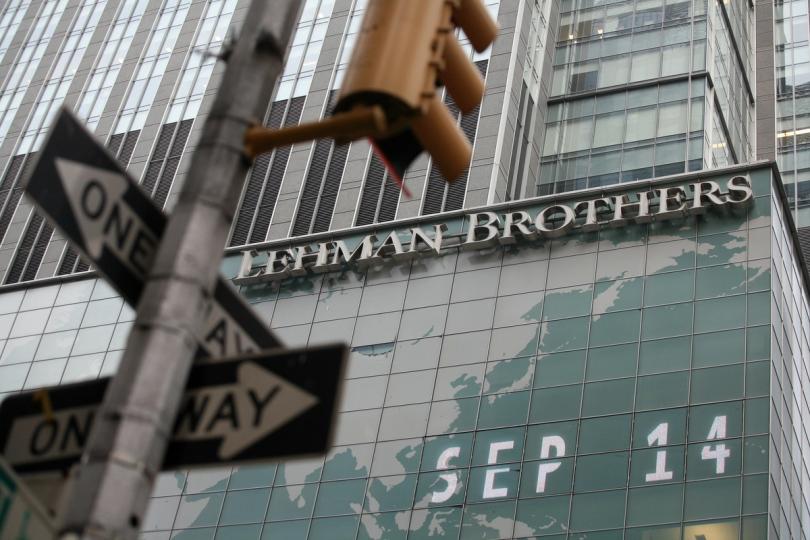
Remember 2008? The crash? The bailouts? Crypto was supposed to be the antidote. The decentralized, transparent savior. Instead, we get a popularity contest where the incumbent, with all its flaws, still wins by a mile. Apparently, stability (or at least the perception of it) trumps innovation when your life savings are on the line.
The Scam Factor Is Real
Most people – 53% to be exact – are getting a less favorable impression of crypto from the news lately. Can you blame them? Every other headline screams about a new scam, a rug pull, or a celebrity shilling a dubious token. The promise of profitability, the siren song for the enthusiasts, gets drowned out by the deafening chorus of scams for everyone else. It’s a public relations nightmare, and the industry seems determined to make it worse.
And then there’s the sheer distrust. Sixty percent of respondents think crypto will be a negative force in the economy. That’s not a niche opinion; that’s mainstream sentiment.
Whatever information the public is consuming about the industry doesn’t seem to be helping lift their view, with more than half (53%) getting a less favorable impression of the industry in recent news coverage.
This isn’t just about aesthetics; it’s about money. Banks, for all their bureaucratic drudgery, offer something people understand: a place to stash their cash and earn a tiny bit of interest. Crypto, with its opaque ledger entries and volatile swings, looks more like a casino than a financial tool.
The Age Divide, Again
Unsurprisingly, the older you get, the less you trust crypto. We’re talking a sharp rise in distrust past age 45. This isn’t a generational clash over music; it’s a fundamental disagreement on what constitutes reliable finance. Younger demographics, males, and Republicans show more affinity – a familiar pattern for digital assets. They’re the ones who’ve grown up with the internet, more comfortable with the abstract. The rest? They want a building, a branch, a person they can yell at when something goes wrong.
The AI Analogy Isn’t Helping
Now, the article throws in AI. Because why not? Apparently, AI also gets a heap of distrust from older folks, though the young ones are split. Fifty-five percent think AI’s risks outweigh its benefits. Sound familiar? Emerging tech faces an uphill battle for mass acceptance. Crypto has banked its hopes on regulatory embrace. Good luck with that. A sharply divided Congress and snail-paced regulators like the SEC aren’t exactly known for their speed.
It’s a strange parallel. Both AI and crypto promise the future, but both are met with a healthy dose of public suspicion. The difference? AI is already woven into the fabric of businesses, whether the public fully trusts it or not. Crypto, despite all its fervent evangelism, remains on the fringes for most.
The Lobbyists Keep Lobbying
Meanwhile, the lobbyists are doing their thing. Banks are understandably nervous about stablecoins siphoning deposits. They’re arguing that crypto rewards could compete directly with their own interest-bearing accounts, threatening lending. It’s a classic turf war. The Senate’s Digital Asset Market Clarity Act is caught in the middle. It’s stalled, but whispers suggest it might move again. Don’t hold your breath. The wheels of legislation grind slower than a block confirmation on a congested network.
About 27% of people haven’t invested but are open to it. That’s the sliver of hope for the crypto faithful. But convincing them will require more than promises of moonshots. It will require trust. And trust, as this poll brutally reminds us, is a hard currency to earn, especially when your reputation is built on volatility and the lingering scent of a Ponzi scheme.
A Reality Check for the Disrupters
This poll isn’t just a minor blip. It’s a stark reminder that the narrative of crypto replacing traditional finance is, at best, a distant dream. For all the buzz, for all the venture capital, for all the late-night conference panels, the average American still prefers the familiar comfort of their bank. It’s a tough pill to swallow for an industry that positioned itself as the revolutionary disruptor. Maybe, just maybe, disrupting means actually solving problems people care about, not just creating new ones.
Will crypto ever be trusted like banks?
Based on this poll, it’s a long shot. Trust in crypto is deeply fractured, often overshadowed by news of scams and volatility. Banks, despite their own historical missteps, represent stability and familiarity to the majority of Americans.
Why do older Americans distrust crypto more?
Older demographics, particularly those over 45, tend to be more risk-averse and value established institutions. The perceived volatility, complexity, and association with scams in the crypto space are likely major deterrents for this age group.
Is AI perceived similarly to crypto by the public?
Yes, there’s a notable parallel. Both AI and crypto are seen as emerging technologies with significant risks. Older respondents show a similar distrust towards AI as they do towards crypto, suggesting a broader public apprehension towards transformative technologies that are not yet fully understood or proven.