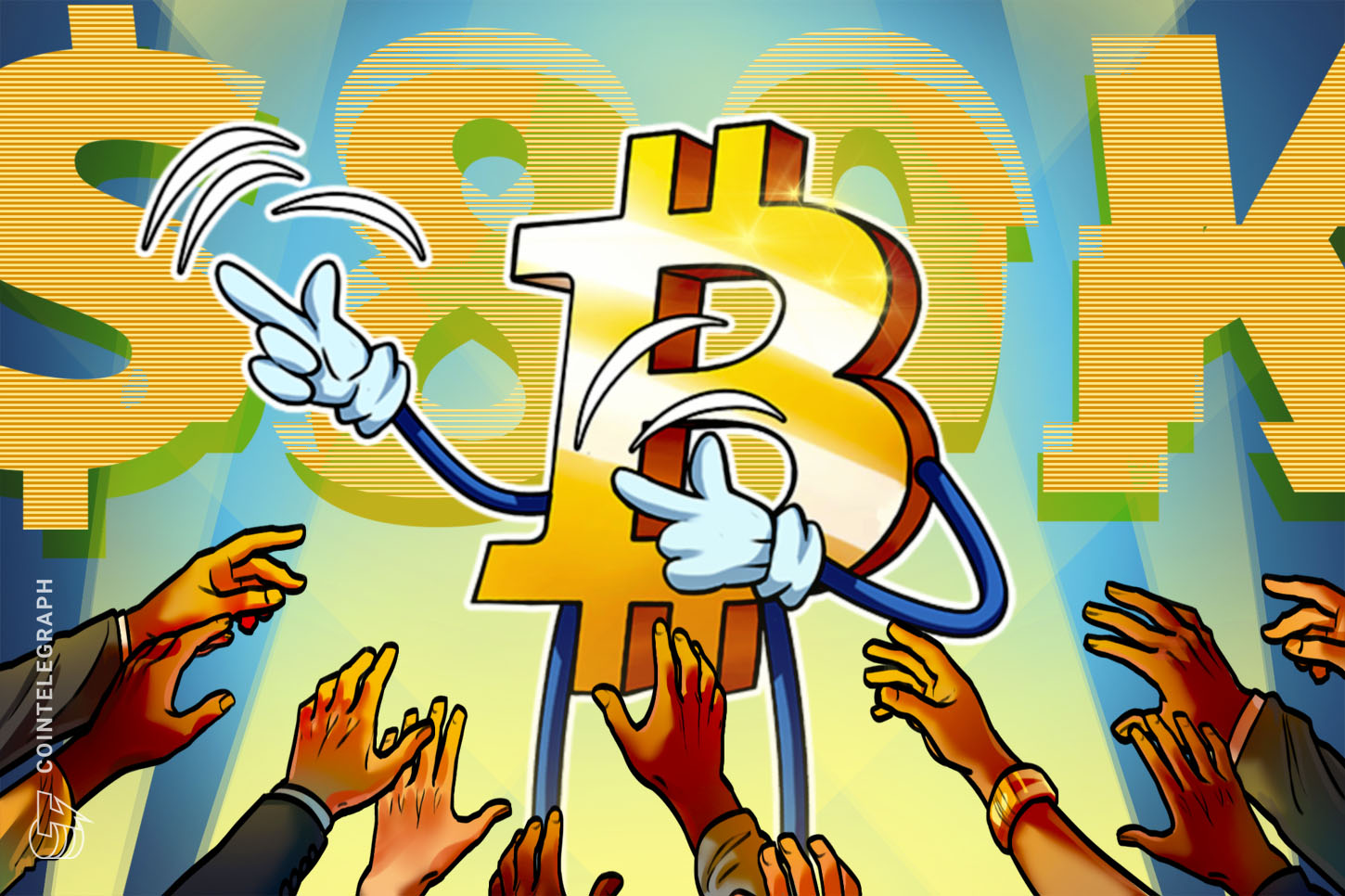
The digital asset markets aren’t exactly known for their calm predictability, but this past week offered a potent cocktail of familiar drivers and intriguing algorithmic plays. Bitcoin, that perennial bellwether, nudged past $82,000, a psychological barrier that sent ripples of optimism through the sector. The uptick, according to many market watchers, is less about revolutionary tech and more about the slow thawing of macro-economic anxieties—interest rate fears are beginning to recede, and traditional financial institutions are sniffing around for yield. It’s the same old song and dance, really, just played on a grander stage.
But the real fireworks, the kind that make you lean closer to the monitor, weren’t happening with the established giants. They were erupting over at Sui. The Sui token, the engine of the Sui blockchain, experienced a dizzying 25% ascent in a single 24-hour period. This wasn’t some speculative frenzy fueled by meme accounts and unsubstantiated rumors. No, this move had roots in something far more concrete: a strategic decision by Sui Group Holdings to stake a colossal 108.7 million SUI tokens.
What does that even mean? Think of it as the company’s deep, deep commitment to its own ecosystem. By locking up such a massive chunk of its native currency, Sui Group Holdings isn’t just signaling confidence; it’s fundamentally altering the token’s supply dynamics. Less available supply, assuming demand holds or increases, typically means one thing: upward pressure on price. This is classic economic theory in action, played out in the hyper-speed environment of crypto.
The Architecture of Trust (and Price Pumps)
The story of Sui’s jump is a fascinating case study in how on-chain actions, even those orchestrated by the project’s own development entity, can directly translate into market valuation. Sui, for those not intimately familiar, is a proof-of-stake blockchain designed for high throughput and low latency, aiming to power a new generation of decentralized applications. Its architecture emphasizes parallel transaction processing, aiming to overcome some of the scalability hurdles that have plagued older blockchains. The staking decision isn’t just a price catalyst; it’s a statement about the long-term viability and security of the network.
When a major stakeholder like Sui Group Holdings stakes such a large amount, it serves a dual purpose. Firstly, it reduces the circulating supply of SUI tokens available on the open market, thereby creating scarcity. Secondly, it often signals a belief in the network’s ability to generate staking rewards, making the locked-up capital productive over time. This act of self-investment, so to speak, is a powerful signal to the market—a form of algorithmic transparency that, in this instance, translated directly into a substantial price increase.
Why Bitcoin’s Rise is a Different Beast
Bitcoin’s climb, while significant, tells a different story. It’s largely driven by macroeconomic winds—the ebb and flow of global liquidity and investor sentiment towards risk assets. When inflation fears abate and central banks signal a less hawkish stance, money tends to drift back into riskier investments, and Bitcoin, despite its increasingly institutional adoption, still falls into that category for many.
This improvement in macro conditions, particularly the perception that the Federal Reserve might be nearing the end of its tightening cycle or even contemplating rate cuts later in the year, lubricates the wheels of speculative capital. For Bitcoin, it’s about a broader financial climate becoming more conducive to asset appreciation. It’s less about a specific technical upgrade or a singular corporate action and more about the global financial air becoming breathable again for growth assets.
Analysts pointed to Sui Group Holdings’ decision to stake 108.7 million SUI. The move aims to boost the token’s value by reducing its available supply.
This highlights a fundamental divergence in market drivers. Bitcoin’s movements are often a referendum on global monetary policy and investor risk appetite. Sui’s, on the other hand, can be—and in this case, clearly was—dictated by specific, protocol-level events and strategic corporate decisions within its own ecosystem. It’s the difference between being swept along by a tidal wave and expertly navigating a strong current with a well-designed rudder.
Is This Just the Beginning for Sui?
The real question for investors and observers isn’t just why Sui jumped, but what comes next. A 25% surge is eye-catching, but sustained growth requires more than a single staking event. The Sui ecosystem needs to demonstrate continued development, user adoption, and compelling use cases for its native token beyond speculative trading. The underlying technology, its parallel processing capabilities, needs to prove itself in real-world applications that can attract developers and end-users away from more established platforms.
If Sui can use this surge in attention to drive meaningful adoption and further innovation, this could be more than just a temporary spike. If, however, the staking decision was a short-term gambit to artificially inflate the price, then the subsequent correction could be equally swift and brutal. The market, as always, has a way of testing such grand pronouncements.
For now, though, the market is enjoying the ride. Bitcoin is testing its highs, and Sui is demonstrating the potent, sometimes opaque, ways in which on-chain actions can move markets. It’s a reminder that while macroeconomic forces shape the tide, internal architectural shifts and strategic plays can still launch impressive individual vessels.