Look, what does any of this bureaucratic wrangling over prediction markets actually mean for someone trying to, you know, live their life? It means uncertainty. It means that seemingly innocuous platform where you could bet on, say, whether a specific piece of legislation would pass, is suddenly caught in a legal crossfire. For the average person, it’s a tangled mess of legalese that boils down to: is this a legitimate financial tool, or a sophisticated online casino that somehow slipped through the cracks? And more importantly, who’s really holding the bag when the dust settles?
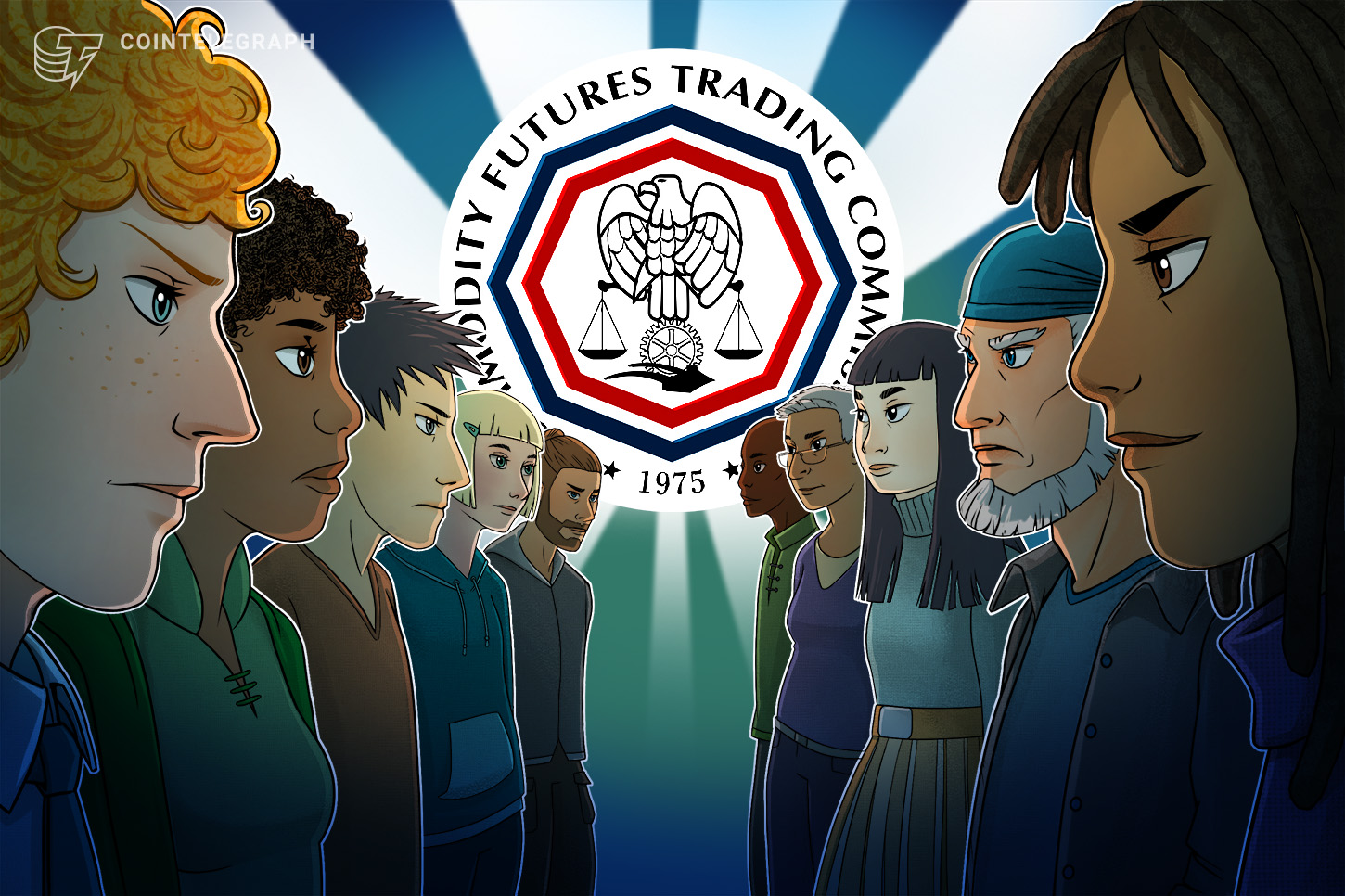
The Commodity Futures Trading Commission (CFTC) is apparently on a crusade, or at least, that’s the spin. They’re dabbling in rules for these prediction markets, and unsurprisingly, everyone’s got an opinion. Venture capitalists, those perpetually optimistic purveyors of tech dreams, like Andreessen Horowitz, are chiming in. Their take? State-level interference is a major roadblock for “impartial access.” Cute. Impartial access to what, exactly? The chance to guess outcomes that sometimes feel eerily prescient? They’re singing the tune that anything impeding these platforms is bad for business, naturally. Because that’s what venture capital does: it finds the next shiny object and then argues it’s essential for humanity.
State gambling regulators, however, are none too pleased. They’re practically spitting fire, accusing the CFTC of letting these prediction markets “masquerade as unregulated sportsbooks.” Pennsylvania’s gaming board chief, Kevin O’Toole, basically called it like he sees it: a con. Tennessee’s folks agree, even questioning if the CFTC has any business in this arena at all. Missouri’s commission director, Michael Leara, echoed this, stating Congress never intended futures markets to be a playground for gambling activities and that states should keep their turf. It’s a classic turf war, really, just with a digital sheen.
And then there are the federal lawmakers. They’re sniffing around, too, particularly concerned about markets tied to geopolitical events. The specter of insider trading hangs heavy, especially after some suspiciously well-timed bets surfaced regarding the Iran war. It’s the kind of stuff that makes you raise an eyebrow and wonder if these platforms are just inviting trouble, or if they’re actively providing a sophisticated front for something far less savory.
Consumer advocacy groups, bless their hearts, are also weighing in. Better Markets CEO Dennis Kelleher and a dozen others are begging the CFTC to cut off contracts related to elections and geopolitical events. Their argument? Such contracts could actually sway government actions. Think about that for a second. Are we talking about markets that predict the future, or markets that can influence it? The line, it seems, is blurrier than many are comfortable with.
Of course, the platforms themselves, like Kalshi and Polymarket, aren’t just sitting there twiddling their thumbs. After the Senate decided its own members shouldn’t be playing in these sandboxes, these companies started talking about cracking down on insider trading and even banning certain users, like politicians. It’s a sudden bout of corporate responsibility, or perhaps, just damage control dressed up as ethical governance. They’ve realized that if they want to keep playing the game, they might have to tidy up the playground a bit.
So, Who’s Actually Holding the Reins?
This whole kerfuffle highlights a fundamental disconnect. On one side, you have tech-aligned investors and the platforms themselves, pushing for minimal regulation and maximum freedom to operate. On the other, you have state-level regulators and some federal lawmakers who see potential for exploitation, gambling disguised as financial analysis, and undue influence on real-world events. The CFTC is caught in the middle, trying to impose some order, but seemingly alienating everyone in the process.
And for the average user? They’re left with a murky landscape. Is this a legitimate way to hedge bets on future events, or a slick new avenue for speculative gambling that preys on incomplete information? The companies want you to believe it’s the former. The regulators, at least some of them, are leaning towards the latter.
Is This Just Gambling in Disguise?
That’s the million-dollar question, isn’t it? When you can bet on election outcomes, geopolitical shifts, or even the weather, the line between a prediction market and a high-stakes casino gets incredibly thin. The argument that these markets provide valuable price discovery is valid, up to a point. But when those predictions are tied to events that could have real-world consequences, and when the potential for insider information or market manipulation is high, it’s hard to shake the feeling that we’re wading into dangerous waters. The companies say they’re stamping out bad actors, but the very existence of these markets feels like an open invitation to try and game the system. Who’s to say the next ‘insider bet’ won’t be on something far more sensitive than a war outcome?
Ultimately, the people profiting are likely the platforms themselves and the sophisticated traders who can navigate this regulatory grey zone. For everyone else, it’s a gamble. And in a world where money talks louder than regulation, it’s not surprising that these prediction markets are still around, even with all the hand-wringing. They’re a fascinating, and frankly, concerning, experiment in market dynamics and regulatory oversight. Just don’t say I didn’t warn you when your ‘prediction’ lands you in a pile of unforeseen legal trouble.