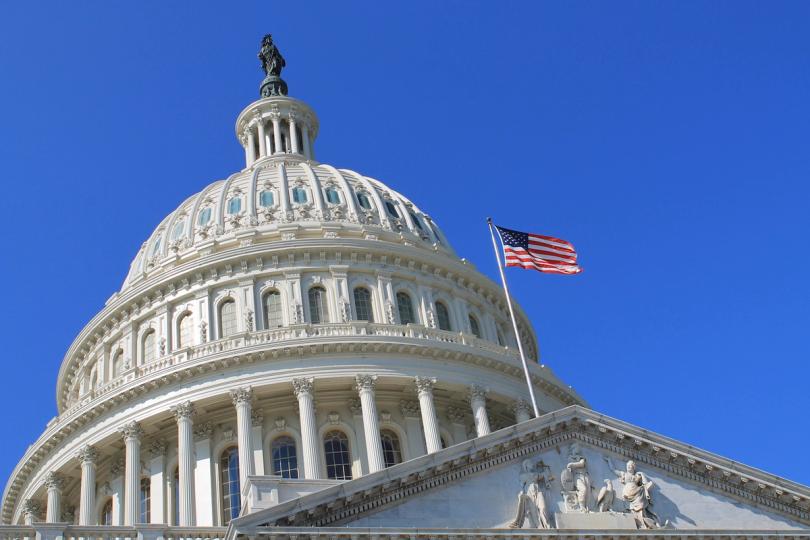
The Senate is about to hash out the U.S. Clarity Act, a behemoth of a bill aiming to regulate digital assets. Think a ban on interest for stablecoin balances, hefty $5 million penalties, and the Treasury gaining significant rulemaking power alongside the SEC and CFTC. You’d expect fireworks, right? But check the bitcoin options markets – they’re showing about as much excitement as a DMV on a Tuesday. Implied volatility is historically low, and nobody seems to be pricing in any major event risk from this whole ordeal.
Look, I’ve seen this movie before. Silicon Valley throws a buzzword-laden bill into the legislative meat grinder, and the market… shrugs. It’s either collective delusion or a fascinating display of faith in the old adage that regulation, even clumsy regulation, brings clarity. Or, and this is the angle I keep coming back to, maybe nobody really believes this bill, in its current form, will change the game for the big players. Who’s actually making money here if the status quo remains largely intact, just with a bit more paperwork?
Here’s the thing: this isn’t some minor tweak to a tax form. The Clarity Act, as drafted, could fundamentally reshape how stablecoins operate and introduce serious financial penalties for non-compliance. Over 100 amendments have been floated, including some real barnburners, like blocking Federal Reserve master accounts for crypto companies. Noelle Acheson, a sharp observer of this space, flagged this possibility as potentially “problematic.” She’s right. Progress is good, but the devil, as always, is in the legislative details, and tomorrow is when those details get hammered out.
Who Benefits When The Dust Settles?
Oddly enough, while the bitcoin market seems oblivious, there are signals that some are indeed bracing for impact – specifically, the companies that stand to benefit from regulatory clarity. Andrew Melville and Thahbib Rahman from Block Scholes pointed out that options tied to Coinbase (COIN) show an “embedded implied vol premium” around the markup date. That suggests traders are betting on clarity, not chaos, for certain publicly traded crypto entities. But for bitcoin itself? Crickets.
This disconnect is what keeps me up at night. Is the market too complacent? Or has it simply grown accustomed to the regulatory dance, expecting the music to eventually stop without stepping on too many toes?
Technically, bitcoin isn’t exactly roaring back either. The recent recovery attempt has sputtered out, breaking an April uptrend line and bumping against the 200-day moving average. The Street.com is flashing warnings of potential selling pressure down toward $75,000. So, you have a market that’s technically shaky, facing a potentially significant legislative event, and showing absolutely zero outward signs of concern. It’s like watching someone walk across a tightrope blindfolded during a hurricane, humming a cheerful tune.
“As the framework moves toward passage, BTC’s case as a strategic allocation with unique diversification benefits in a balanced portfolio only strengthens.”
That quote from Can-Luca Köymen at Sygnum Bank sounds nice, but it reeks of the same optimism that got people into trouble in the last crypto winter. Diversification benefits? Sure, when things are calm. But when the regulatory hammer falls, and it will fall, will that diversification still hold water? Or will everything just move in lockstep as it always seems to do when regulators decide to crack down?
My unique insight here is this: the market’s apathy isn’t necessarily a sign of confidence in the Clarity Act. It might simply be a proof to how much noise has become the signal in crypto. We’re so inundated with potential catalysts, regulatory threats, and market predictions that this specific legislative event, however important, is just getting lost in the shuffle. The real question isn’t whether the bill passes, but how it passes and who gets to write the final rules. That’s where the real money will be made or lost.
Is Bitcoin Ready for a Regulatory Reckoning?
Despite the calm facade, there’s a historical parallel here that bears mentioning. Every boom cycle in crypto has eventually met a regulatory wall. We saw it after Mt. Gox, after ICO mania, and after the DeFi summer. The market tends to price in risk after the fact, not before. This current complacency feels less like reasoned optimism and more like a collective hold-your-breath moment.
What’s actually trending outside this legislative drama? Not much that seems to be lifting the digital asset market’s spirits. Xi Jinping’s warnings to Trump on Taiwan are making geopolitical waves, Moody’s is giving top ratings to tokenized money market funds from Fidelity and BlackRock (which, by the way, sounds suspiciously like traditional finance trying to co-opt the blockchain buzzword), and stocks are hitting records. The crypto world, it seems, is an island, adrift in a sea of global events and traditional financial stability.
Ultimately, the Clarity Act’s markup is a big deal. It has the potential to introduce much-needed structure, but also the power to stifle innovation if mishandled. The market’s current lack of reaction is, frankly, unnerving. It suggests a disconnect, or perhaps a calculated gamble that the final outcome will be more favorable than the current hawkish proposals. We’ll see. Always do.
🧬 Related Insights
- Read more: CFTC Fights States for Prediction Market Control [Selig]
- Read more: [Bitcoin Dips to $71K] War Volatility & Relentless Sellers Weigh In
Frequently Asked Questions
What does the U.S. Clarity Act aim to do? The U.S. Clarity Act is a proposed bill designed to establish a comprehensive regulatory framework for digital assets. Key provisions include banning interest on stablecoin balances, imposing penalties for violations, and assigning rulemaking authority to the Treasury alongside the SEC and CFTC.
Why is the bitcoin market not reacting to the Clarity Act markup? The bitcoin market is showing historically low implied volatility and little pricing of event risk related to the Clarity Act markup. This indifference is surprising given the bill’s potential impact, leading to speculation about market complacency or a belief that the final legislation will be manageable.
What are the potential risks associated with the Clarity Act? Risks include the potential for harsh penalties, restrictions on stablecoin operations, and the possibility of unintended consequences for crypto companies. Concerns have been raised about specific amendments, such as those that could restrict access to Federal Reserve master accounts for crypto firms.