The blinking cursor on a trader’s monitor, reflecting the grim reality of dwindling digital asset volumes. That’s the scene at eToro, apparently.
And here we are again. eToro, bless its silicon heart, is reiterating its commitment to crypto. You know, the same crypto that saw its revenue from digital assets crater by a whopping 38% in the first quarter. That’s not a typo. Billion dollars? Nope. Billions of dollars worth of revenue, down significantly. Net trading income from those oh-so-popular crypto derivatives? Down 57%. Ouch.
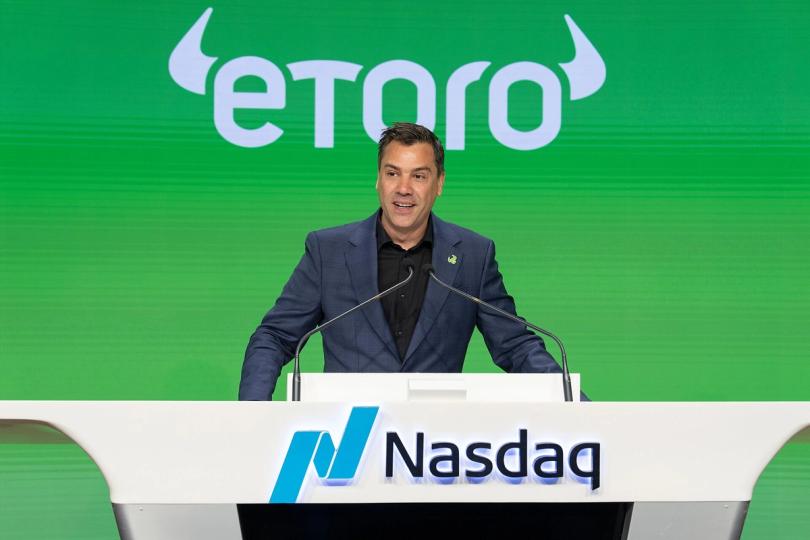
This isn’t just a Q1 blip, either. April numbers are looking just as grim. Crypto trades? Down 32%. Average invested amount per trade? Down 22%. It’s like a digital asset ghost town out there, and eToro’s CEO, Yoni Assia, is standing in the middle of it, shouting about how much he loves tumbleweeds.
Is This Bravery or Blindness?
Assia, however, is apparently immune to the gravitational pull of reality. He’s spouting off about crypto prices rising back to all-time highs this year. Yes, you read that correctly. Apparently, his platform’s data suggests retail investors on eToro are busy “buying the dip.” More likely, they’re just staring at their portfolios with the same bewildered expression one might have when watching a squirrel try to operate a smartphone.
But eToro isn’t just making noise. Oh no. They’ve gone and activated their BitLicense to start trading in New York. Because, clearly, the best time to expand into a new, heavily regulated market is when your core business is performing worse than a dial-up modem at a Super Bowl party. And to top it all off, they’ve shelled out $70 million for self-custodial wallet provider Zengo. This, Assia claims, will “meaningfully advance our strategy of bridging traditional finance with on-chain infrastructure.” More like bridging a sinking ship with a slightly less-sinking raft, perhaps?
This move smacks of desperation masquerading as strategy. When your primary revenue stream is hemorrhaging cash, doubling down on the very thing that’s failing is usually a one-way ticket to the financial ICU. It’s the crypto equivalent of rearranging deck chairs on the Titanic, only eToro seems to be adding more chairs.
Why Does New York Matter So Much?
The BitLicense activation in New York is particularly telling. New York’s regulatory environment for crypto is notoriously stringent, often referred to as the “BitLicense.” Obtaining it was a multi-year process for eToro, which was initially granted the license in 2021. Its activation now, amidst declining activity, signals a strategic pivot or perhaps an attempt to shore up confidence by proving they can navigate complex regulatory waters. It’s a classic “look over here!” maneuver when the real story is happening elsewhere – in this case, the precipitous drop in actual trading volume.
It feels like a company clinging to the past, or perhaps a future that only exists in its optimistic projections. The acquisition of Zengo, while potentially strategic in the long run, feels like a very expensive distraction when the core business is crying for attention. Are they truly building for the future, or just trying to keep the lights on by adding more services no one is currently flocking to?
“We do expect later this year to start seeing crypto rising back to, you know, near all-time-highs and that will drive crypto engagement,” Assia told CNBC. The platform’s data suggests that when the markets fall, “retail investors on eToro actually buy the dip.”
This isn’t exactly rocket science. When markets are down, people generally spend less. The idea that eToro’s users are some special breed of dip-buying enthusiasts is either wishful thinking or a PR narrative designed to mask a stark reality. The financial world loves a comeback story, but eToro’s current chapter reads more like a cautionary tale.
Look, I get it. Nobody wants to admit their flagship product is underperforming. But pretending it’s all part of a grand, bullish plan? That’s a tough sell, especially when the numbers tell a different story. This isn’t about being bearish on crypto; it’s about being critical of a company’s response to clear financial headwinds. eToro’s long-term success hinges on more than just maintaining faith in a volatile market; it requires acknowledging and addressing the present challenges. Right now, those challenges look like a significant drop in user activity and revenue.
FAQ
What does eToro’s Q1 report reveal about its crypto business?
EToro’s Q1 report shows a 38% decline in revenue from crypto assets and a 57% drop in net trading income from crypto derivatives compared to the previous year. Crypto trading activity also continued to fall into April.
What is eToro’s outlook for the crypto market?
Despite the downturn, eToro CEO Yoni Assia expressed a bullish outlook, expecting crypto prices to rebound to near all-time highs later this year and stating that retail investors tend to buy the dip.
What are eToro’s recent strategic moves in the crypto space?
EToro has activated its BitLicense to begin trading in New York and completed the $70 million acquisition of self-custodial wallet provider Zengo, aiming to bridge traditional finance with the crypto ecosystem.
🧬 Related Insights
- Read more: Strategy’s Bitcoin Dividend Plan: A Bold Gamble or Smart Finance?
- Read more: What is a Smart Contract?