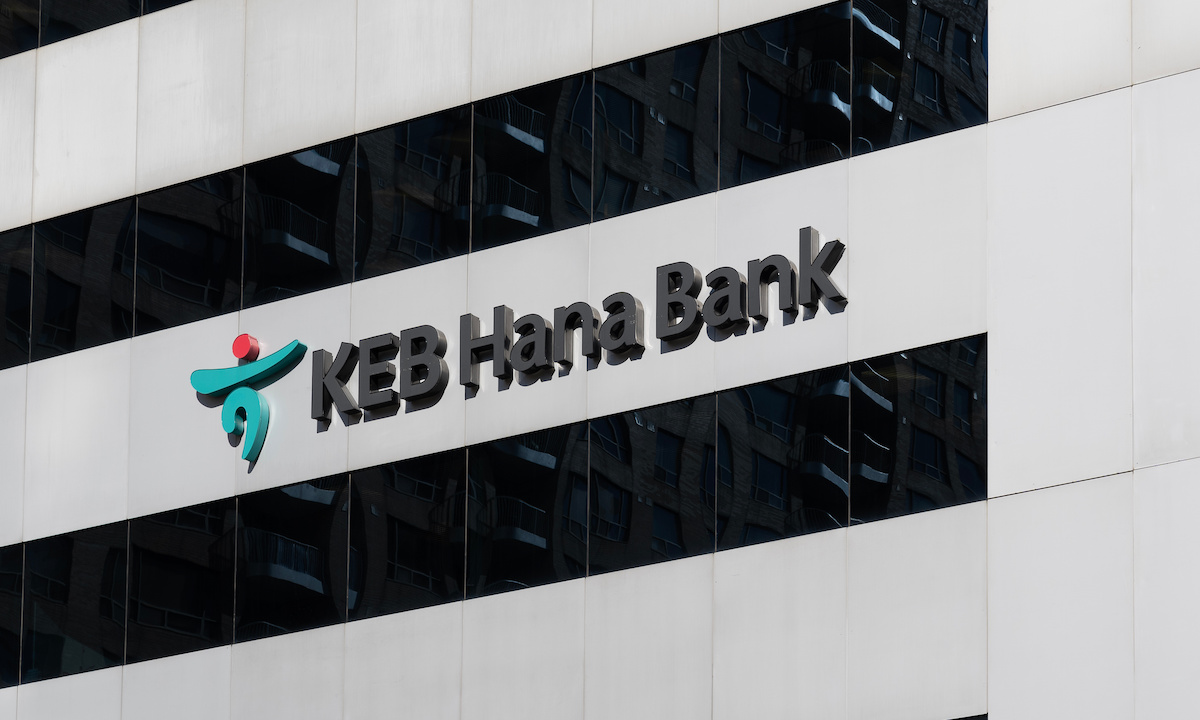
Everyone expected banks to tiptoe around crypto, maybe offer some custodial services if pushed. They envisioned a slow, cautious dance. Hana Bank just bought a ticket to the main event.
This isn’t a small investment. Hana Bank is dropping $672.5 million on a stake in Dunamu, the outfit that runs Upbit, South Korea’s undisputed crypto kingpin. Suddenly, the digital asset world has a major traditional bank throwing its weight around. The deal, slated for June 15, gives Hana a 6.55% slice of Dunamu. It’s coming from Kakao, the internet giant. This move screams less ‘testing the waters’ and more ‘cannonball dive’.
So, what does Hana Financial Group Chairman and CEO Ham Young-joo say? He’s calling it “a strategic decision to accelerate financial innovation based on digital assets.” Which, translated from corporate speak, means they see real money to be made, and they’re not waiting around for regulators to draw a safe path. They’re already working with Dunamu on a blockchain remittance service. Expect more joint ventures: stablecoins, tokenized securities, the works.
Is This Just a South Korean Trend?
The CoinDesk report spills the beans: Hana Bank becomes the fourth-largest shareholder. They’re right behind the founders and Kakao’s leftovers. This isn’t isolated, either. Woori Bank, another South Korean lender, announced a stablecoin collaboration with MoonPay back in April. It’s clear the country’s financial institutions are ditching their beige cardigans and donning some digital threads. Regulators, who were previously signaling openness, must be feeling a collective pat on the back.
Dunamu isn’t some fringe player. It controls over 80% of South Korea’s virtual asset trading volume. And guess what? They’re looking to merge with Naver Financial. Combine Upbit’s massive user base with Naver Pay’s ubiquitous digital wallet, and you’ve got a perfect storm for accelerating digital asset adoption. It’s estimated that 18 million South Koreans, over a third of the population, are already trading digital assets. Hana Bank is betting on that number going way up.
Why Are Banks Suddenly So Enthusiastic About Crypto?
Here’s the real kicker, the bit the press releases gloss over. For years, banks have been the gatekeepers. They controlled the flow of money, profited handsomely from it, and viewed any disruption with extreme suspicion. Blockchain, and by extension crypto, threatened to disintermediate them. Now, instead of fighting it, they’re buying in. This isn’t a sudden conversion to the crypto evangelists’ cause. This is pragmatic capitalism. They see a new frontier, a new revenue stream, and a chance to get ahead of the curve. The fear of missing out — FOMO, if you will — is a powerful motivator, even for stodgy old banks. They realize that if they don’t play in this space, someone else will, and that someone else might just be the bank of the future.
Dunamu handles more than 80% of the virtual asset trading volume in South Korea. The plan is to merge with Naver Financial. This combined entity could significantly accelerate digital asset adoption in commerce and finance. It’s a no-brainer when you consider Upbit is the largest crypto exchange in the nation and Naver Pay is one of its most popular digital wallets. It’s practically handing the keys to the kingdom.
This investment by Hana Bank is more than just a financial transaction; it’s a declaration. It says traditional finance isn’t just observing digital assets anymore. It’s actively participating, acquiring stakes, and seeking to shape the future. The narrative has shifted from ‘can we afford to ignore crypto?’ to ‘how quickly can we get our piece of the pie?’ It’s a stark contrast to the regulatory apprehension and outright bans seen elsewhere. South Korea, once again, is showing a willingness to innovate, and Hana Bank is leading the charge.
🧬 Related Insights
- Read more: Lutnick’s Kids, Tether’s Cash: Ethics Firestorm Ignites
- Read more: Bitcoin Wallets Swallow 4.37M BTC: Real Holders Win, Chasers Lose
Frequently Asked Questions
What is Dunamu? Dunamu is the South Korean company that operates Upbit, the country’s largest cryptocurrency exchange.
What is Upbit? Upbit is a major cryptocurrency exchange based in South Korea, handling a significant portion of the nation’s digital asset trading volume.
Why did Hana Bank invest in Dunamu? Hana Bank sees the investment as a strategic move to accelerate financial innovation and embrace digital assets, collaborating with Dunamu on various blockchain initiatives.