AI Agents Can Now Pay
We’re witnessing a fundamental platform shift. AI is blasting past the familiar chatbot facade, morphing into autonomous agents capable of sophisticated planning, action, and evaluation. Think less ‘answer my question’ and more ‘go secure that resource, pay for it, and report back.’ And as these agents weave themselves into the very fabric of our digital economy, a colossal question looms: how do they pay for all this? The current financial plumbing, designed by and for humans, is a clunky, analog relic in a digital-native world. Imagine an AI agent needing to create an account, navigate labyrinthine pricing pages, wrestle with subscription tiers, painstakingly enter payment details, and then, then, set up billing. It’s like asking a rocket ship to navigate by sextant. Preposterous. This friction point, this yawning chasm between AI capability and financial reality, is precisely what the new Machine Payments Protocol (MPP) aims to bridge.
MPP, an open standard hatched by Tempo and Stripe, isn’t just another payment rail; it’s an internet-native language for machine-to-machine commerce. It’s the digital handshake that allows agents to transact with businesses and, crucially, with each other, without a single human finger lifted. This is huge. We’re talking about enabling microtransactions at a scale we’ve only dreamed of, recurring payments for services rendered on the fly, and entirely new business models that are currently hobbled by the sheer overhead of human-centric financial interactions.
Imagine the possibilities. Browserbase, a pioneer in browser infrastructure, is already letting agents spin up headless browsers and pay per session – a perfect example of an agentic business model unleashed. PostalForm allows agents to dispatch physical mail, paying programmatically for printing and postage. Even something as down-to-earth as ordering a sandwich can now be handled by an agent through Prospect Butcher Co., facilitating pickup or delivery. And yes, agents can now even contribute to carbon offsetting programs like Stripe Climate, autonomously and at scale. It’s a democratization of commerce, where capability meets transaction frictionlessly.
The New Language of Commerce
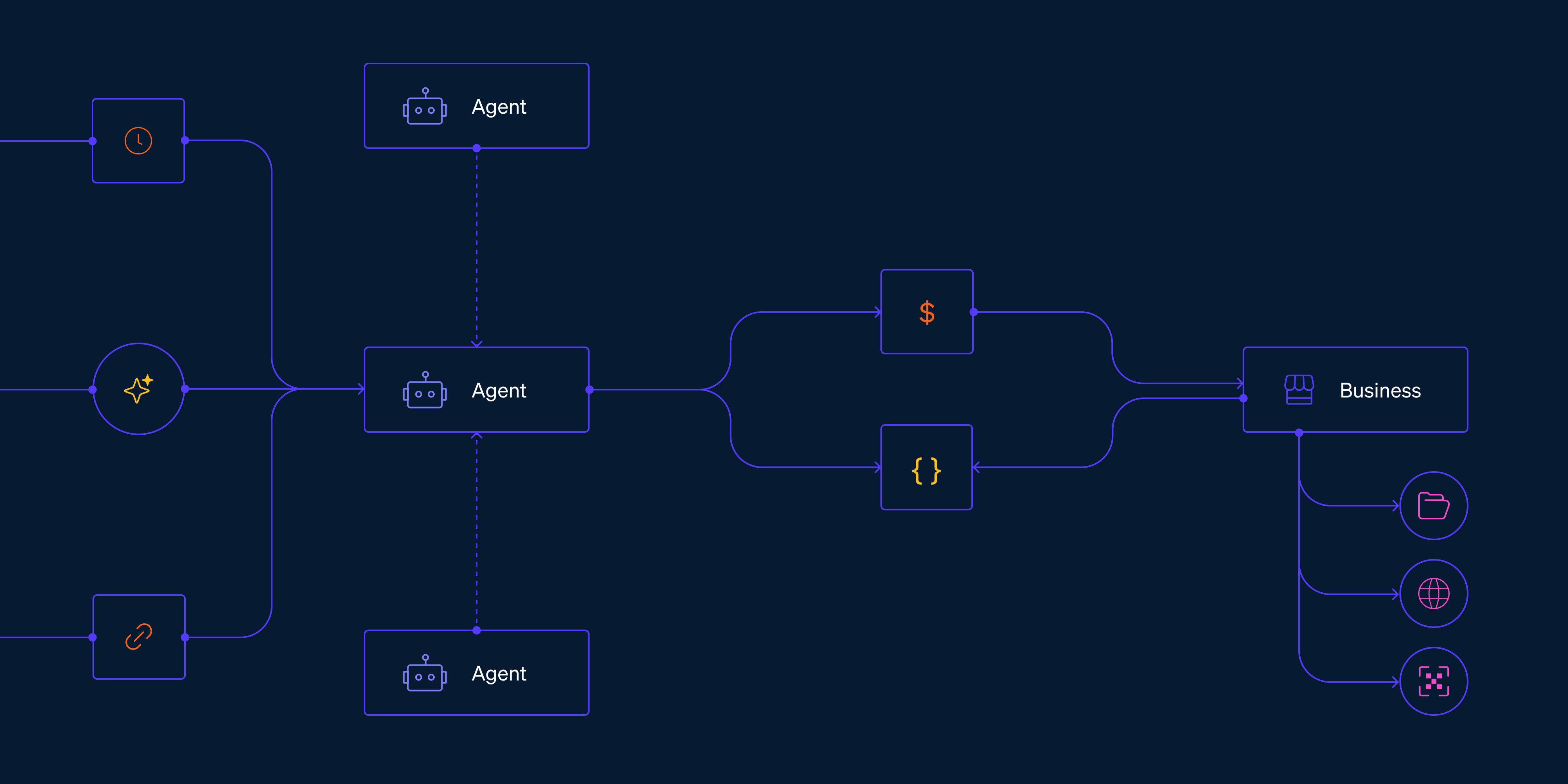
Here’s the core innovation: a service, be it an API, a model context protocol, or any HTTP addressable endpoint, can now simply present a payment request when an agent seeks a resource. The agent, equipped with MPP, authorizes the payment, and voilà, the resource is delivered. For businesses already plugged into Stripe, this transition is remarkably smooth. These MPP transactions appear in the Stripe API and Dashboard just like any other human-initiated payment. Funds settle into existing balances, in their default currency, on their standard payout schedule. The strong Stripe infrastructure—tax calculation, fraud protection, reporting, refunds—all of it, now works for agents too. It’s an elegant expansion of existing power, not a cobbled-together replacement.
“Parallel is built for a world where agents are the primary users of the web. We integrated machine payments with Stripe in just a few lines of code, and now agents can autonomously pay per API call for web access. This allows us to reach any agent developer in the world on the same Stripe stack we already run on.”
Parag Agrawal, founder of Parallel Web Systems, nails it. This isn’t just about Stripe supporting AI; it’s about enabling an entire ecosystem where agents are not just users but customers. Stripe’s commitment goes beyond MPP, with their Agentic Commerce Suite, Agentic Commerce Protocol (ACP), and integrations with Model Context Protocols (MCPs), signalling a deep, strategic bet on the agent economy.
Why Does This Matter for the Future of Finance?
This is bigger than just Stripe, though their early adoption and infrastructure power are undeniably significant. MPP represents the genesis of a new financial layer for the internet. For decades, we’ve built digital systems for human interaction. Now, we’re building systems for artificial intelligence to interact and transact autonomously. Think of it like the transition from dial-up modems to fiber optics – a fundamental leap in speed, capability, and scale. The implications for decentralized finance (DeFi) are profound; imagine autonomous DAOs directly executing trades or managing liquidity pools without constant human oversight, all facilitated by a protocol like MPP. It’s the programmatic economy coming into its own.
Of course, with great power comes… well, potential chaos if not managed. The security implications of autonomous agents transacting are immense. strong identity verification, sophisticated fraud detection tailored for machine behavior, and clear governance frameworks will be paramount. But the upside – the sheer acceleration of innovation and efficiency – is too compelling to ignore. This is the next frontier, and MPP is planting the flag.
This move signals a clear understanding from established players like Stripe that the future of commerce isn’t just about humans buying from businesses; it’s about intelligent agents buying and selling from each other, driving innovation at an unprecedented pace. The Agentic Commerce Suite, along with protocols like MPP, is essentially building the financial rails for a future where AI agents are active participants in the economy, not just passive tools.
🧬 Related Insights
- Read more: Tokenomics Explained: How to Evaluate a Cryptocurrency Project
- Read more: Coinbase’s Armstrong Flips on Clarity Act: The Crypto Reg Pivot We’ve Been Waiting For
Frequently Asked Questions
Will this replace human jobs? MPP is designed to automate financial transactions for AI agents, not replace human workers directly. It will likely create new jobs in AI agent development, management, and oversight, while potentially automating repetitive financial tasks currently performed by humans.
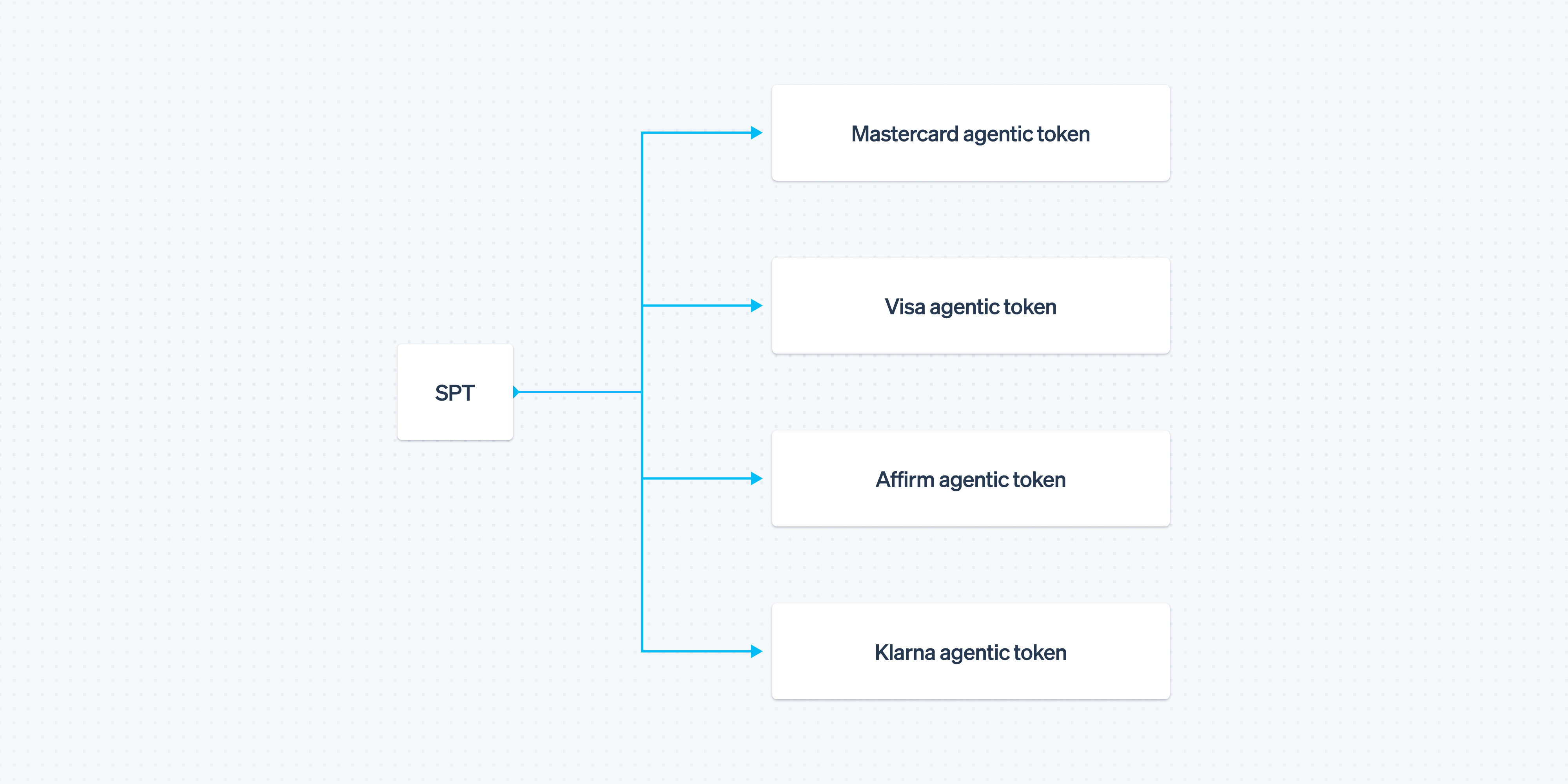
Can I use regular money (fiat) with MPP? Yes. While the protocol is built with a digital-native mindset and supports stablecoins, businesses using Stripe can accept payments via MPP using fiat currencies through cards and buy now, pay later options, facilitated by Shared Payment Tokens (SPTs).
How does MPP differ from existing APIs? MPP provides a standardized protocol specifically for autonomous agent payments, moving beyond simple API calls. It defines how agents and services coordinate payments programmatically, enabling complex transactions like micro- and recurring payments that are cumbersome with traditional APIs.