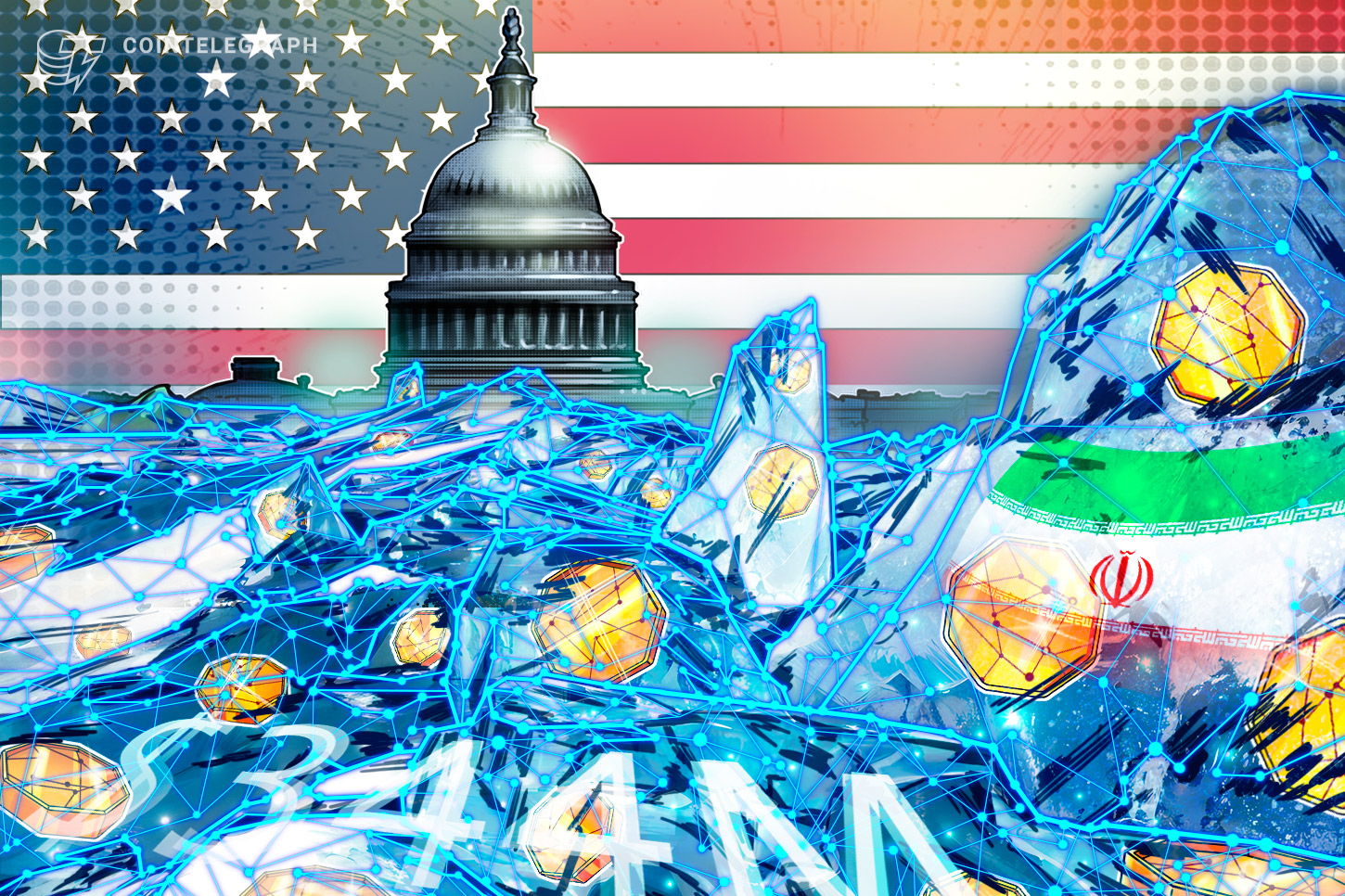
And just like that, the vultures descend. We’re talking about Gerstein Harrow LLP, a law firm that seems to have a permanent fixture in the crypto press for all the wrong reasons. This time, they’re circling $344 million in Tether stablecoins, conveniently frozen by OFAC because they’re allegedly linked to Iranian entities. Sounds official, right? Except, the firm isn’t exactly doing this for Uncle Sam’s paperwork; they want the money for themselves, or more accurately, for clients with claims that stretch back decades and have precisely zero to do with today’s crypto capers.
It’s the same tired play, recycled from exploit to exploit. Remember the Kelp DAO situation? They tried to snag frozen Ether there. Harmony protocol? Bybit? They’ve tried their luck with those too. The playbook is simple: wait for a crypto hack, watch assets get frozen by regulators, and then swoop in with a dubious claim for some ancient judgment, often from the 1990s, as if that has any earthly connection to a Lazarus Group heist from last month. It’s cynical. It’s predatory. And apparently, it’s profitable.
Who Actually Gets Paid Here?
The real kicker? The firm’s strategy hinges on these ancient, unrelated judgments. They’re using onchain sleuth ZachXBT’s own research on hacking incidents to justify their claims for alleged victims of North Korea from 26 years ago. Twenty-six years. To be clear, this isn’t about righting recent wrongs; it’s about a law firm finding a loophole big enough to drive a truck through and lining its pockets while legitimate victims are left scrambling.
“This is a predatory US law firm with a strategy that is pure evil,” ZachXBT posted on X. He’s not exactly known for mincing words, and in this case, it’s hard to argue. They’re essentially weaponizing regulatory actions against crypto entities to satisfy debts that predate Bitcoin by a decade, delaying — and likely diminishing — payouts for actual hack victims who have a more direct claim.
It’s a mess. And OFAC’s involvement, while seemingly by-the-book, just adds another layer of complexity and, frankly, a touch of absurdity. Freezing wallets is one thing, but then having a law firm like Gerstein Harrow swoop in and argue they have a prior claim? It feels less like justice and more like a particularly nasty game of financial whack-a-mole.
Is This Legal Shenanigans or Systemic Failure?
This whole saga brings up a crucial, uncomfortable question: Is this just one firm exploiting a bizarre legal gray area, or does it point to a deeper flaw in how we handle seized assets in the digital age? The crypto community’s outrage isn’t just about the money; it’s about the perceived injustice. Hack victims, often individuals who’ve lost their life savings, are suddenly looking at their potential recovery being siphoned off by entities with tenuous, if any, connection to their plight. It’s a stark reminder that while the blockchain promises transparency and decentralization, the real world – with its ancient laws and opportunistic legal players – still has a very strong grip.
And here’s the thing, for all the talk about innovation and the future of finance, this is what happens. The old guard, the guys who know how to work the existing system, they figure out how to make it work for them, even when the technology is brand new. It’s not a failure of crypto; it’s a proof to how old-school legal tactics can adapt and, frankly, exploit the digital frontier. Who is actually making money here? You can bet Gerstein Harrow LLP is, and the victims? They’re likely still waiting.
🧬 Related Insights
- Read more: Zcash Rally: BitMEX’s 1000x Claim [Skeptical Take]
- Read more: Bitcoin ETFs Gulp Down $471 Million in a Day – Institutions Are Back, Big Time
Frequently Asked Questions
What does Tether’s $344 million stablecoin freeze mean? It means that Tether has been directed by US authorities to block access to these funds because they are believed to be linked to Iranian entities. This prevents the assets from being moved or used.
Why is a US law firm involved in the Tether freeze? The law firm, Gerstein Harrow LLP, is filing motions to claim these frozen assets. They are asserting that their clients have prior legal judgments against entities connected to these funds, predating the current alleged Iranian links.
Will hack victims get their money back? It’s uncertain. The law firm’s actions could complicate or delay recovery efforts for victims of recent crypto hacks who have a more direct claim to the frozen assets. The firm’s claims are based on very old judgments, leading to significant controversy.