AI: The Great Unbundler.
This isn’t just about a crypto seizure; it’s a seismic shift. Think of it like the early days of the internet, but instead of connecting computers, we’re now connecting intelligence itself. This Australian bust is a ripple in a much, much larger ocean of change. The machines are learning, and the world is reconfiguring itself around that fundamental truth. It’s thrilling, frankly, and a little bit terrifying if you’re not paying attention.
The cybercrime squad detectives nabbed crypto wallets, a digital breadcrumb trail leading straight to alleged darknet marketplace operators. And this isn’t happening in a vacuum. AUSTRAC, Australia’s financial intelligence unit, is on a serious tear, tightening its supervision of the country’s digital asset sector like never before. They’ve launched targeted campaigns — one sniffing out virtual asset service providers (VASPs) peddling over-the-counter crypto-to-cash services, the other zeroing in on local exchanges. It’s like the regulators are finally learning to speak fluent blockchain, and they’re not shy about using it.
Regulators Get Smart
This whole rebranding from “digital currency exchanges” (DCEs) to the globally recognized VASP term? It’s more than just a semantic shuffle. It’s about bringing Australia’s regulatory framework into lockstep with international standards, creating a clearer playing field, and frankly, making it harder for illicit actors to hide in the digital shadows. AUSTRAC’s CEO, Brendan Thomas, put it plainly:
“AUSTRAC is checking how well crypto businesses in Australia are managing money-laundering risks, ahead of major new laws coming into force.”
This proactive stance is crucial. We’re talking about assessing and improving Anti-Money Laundering (AML) risk management across the board. AUSTRAC is engaging with 36 crypto businesses and 27 local exchanges. That’s not a casual chat; that’s a deep dive, a regulatory audit that’s designed to force a reevaluation of business models and risk protocols. The writing is on the wall for any VASP not taking AML seriously.
The Coming Digital Asset Framework
And then there’s the Corporations Amendment (Digital Assets Framework) Act 2026. This isn’t just a minor tweak to existing legislation; it’s a fundamental re-architecting of Australia’s financial services licensing regime. From April 9, 2027, digital asset platforms and tokenized custody platforms will be brought squarely under the same umbrella as traditional financial services. This means increased oversight, higher compliance burdens, and, hopefully, a more secure and trustworthy ecosystem for everyone. It’s the digital equivalent of building a proper bridge instead of relying on a rickety rope ferry.
My unique insight here? This entire push by AUSTRAC, from the seizure to the new legislation, feels less like a reaction and more like a pre-emptive strike. They’re not just reacting to crime; they’re anticipating the next wave of digital asset adoption and building the guardrails before the highway is fully constructed. The sophistication of the seizure, coupled with the comprehensive regulatory overhaul, suggests a well-orchestrated strategy to harness the potential of digital assets while mitigating the risks. It’s a gamble, sure, but one that could position Australia as a leader in responsible digital asset innovation, rather than just another jurisdiction playing catch-up. The future isn’t just coming; it’s being built, byte by byte, regulation by regulation.
## Is This the End of Darknet Markets?
Probably not entirely, but it’s a significant blow. The seizure of $4.1 million in Bitcoin, alongside intensified regulatory scrutiny, makes operating these illicit marketplaces far riskier and less profitable. As regulators get smarter about tracking crypto, and as the legal frameworks evolve, the ability of these darknet operators to remain anonymous and untraceable diminishes. It’s a constant cat-and-mouse game, but this recent action clearly shifts the balance a bit further towards the “cat.”
## What’s Next for Australian Crypto Businesses?
Expect a period of increased compliance demands and operational adjustments. Businesses that have been operating with lax AML/KYC (Know Your Customer) procedures will face significant pressure to upgrade their systems and processes. For those already ahead of the curve, this regulatory push could ultimately be a positive development, weeding out less scrupulous competitors and fostering greater trust within the legitimate crypto ecosystem. The future likely favors businesses that can demonstrate strong security and transparent operations.
🧬 Related Insights
- Read more: Trump’s WLFI Token Sheds $427M as DeFi Loans and Unlock Plan Ignite Panic
- Read more: Quantum Crack: Bitcoin’s Nine-Minute Vulnerability Exposed
Frequently Asked Questions
What does AUSTRAC stand for? AUSTRAC stands for the Australian Transaction Reports and Analysis Centre. It is Australia’s financial intelligence agency and anti-money laundering (AML) regulator.
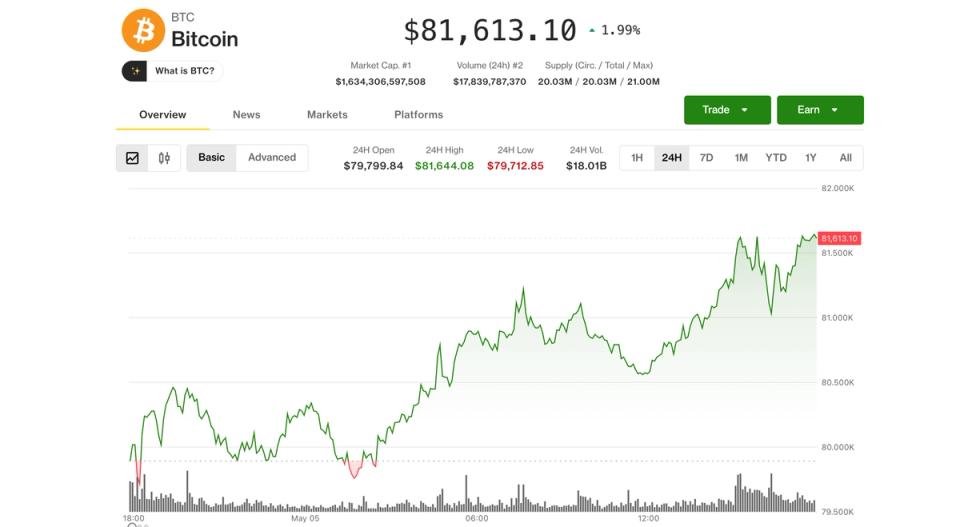
Will this seizure impact the price of Bitcoin? While large seizures can create short-term market sentiment shifts, the overall impact on Bitcoin’s price is generally considered minimal in the long run. Market dynamics are influenced by a vast array of factors, and individual seizures, though significant in value, are typically absorbed by the broader market.
When do the new digital asset laws come into effect in Australia? The Corporations Amendment (Digital Assets Framework) Act 2026, which brings digital asset platforms under the financial services licensing regime, will come into effect from April 9, 2027.