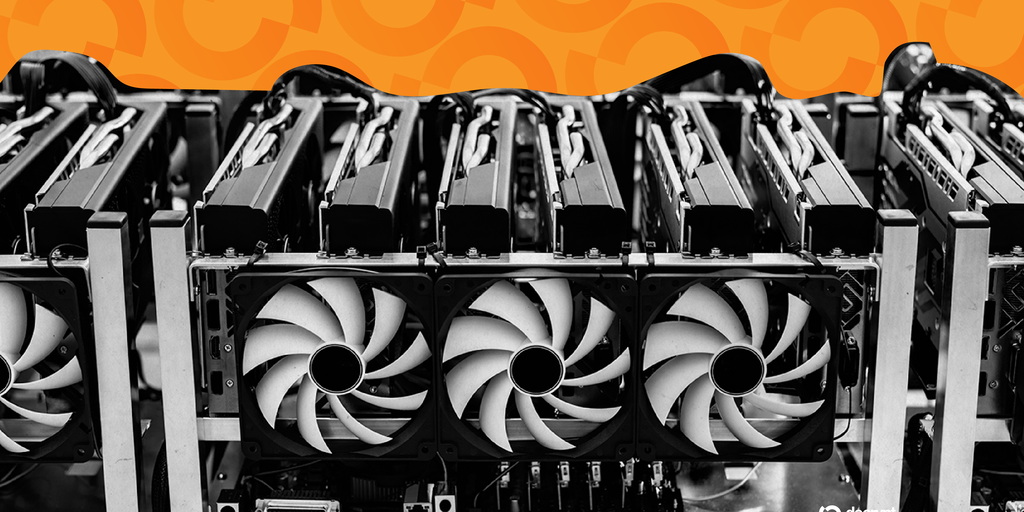
The ticker tape is screaming. Riot Platforms (RIOT) shares didn’t just nudge up; they leaped, tacking on a solid 8% Friday, and the catalyst? Advanced Micro Devices (AMD) is doubling down on Riot’s Rockdale, Texas footprint. This isn’t just about servers humming; it’s a loud, market-moving declaration of Riot’s strategic shift, a calculated shedding of its ‘pure-play’ bitcoin miner skin for something far more lucrative: AI infrastructure.
The numbers paint a stark picture. AMD has exercised an option to push its contracted capacity to 50 megawatts (MW) at Riot’s facility, with the tantalizing possibility of scaling to a colossal 150MW. Over the next decade, this expanded agreement is slated to pour an estimated $636 million into Riot’s coffers. For context, that’s significant revenue independent of the often-volatile bitcoin market.
But the good news doesn’t stop at the top line. Riot also managed to renegotiate its $200 million bitcoin-backed credit line with Coinbase, a move that speaks volumes about lender confidence. The interest rate has been trimmed to a fixed 6.15%, down from 8.3%, and a substantial chunk of bitcoin collateral – 1,544 BTC – has been released. This isn’t just a minor tweak; it’s a market signal that Riot’s diversifying revenue streams are solidifying its financial standing.
“Market pricing in lower cost of capital as the expanded AMD deal drives lender confidence,” said Matthew Sigel, head of digital assets research at VanEck.
This financing maneuver, coupled with the AMD expansion, has investors sitting up and taking notice. They’re clearly willing to pay a premium for a Riot that’s no longer solely beholden to the ebb and flow of cryptocurrency prices.
For years, Riot stood as one of the last holdouts among major mining operations, stubbornly clinging to its bitcoin-centric identity while rivals diversified into hosting AI computing workloads. It’s almost as if activist investors like Starboard, who had been loudly urging management to accelerate this very transition, were the wake-up call. And finally, the company appears to be heeding the advice.
The results are already showing. In the first quarter, Riot reported total revenue climbing to $167.2 million, a modest uptick from $161.4 million a year prior. The crucial differentiator here? A hefty $33.2 million in initial data center revenue. Meanwhile, its bread-and-butter bitcoin mining revenue saw a decline, dropping to $111.9 million from $142.9 million. Blame it on lower bitcoin prices and the ever-increasing difficulty of mining.
The shift in strategy extends to its balance sheet as well. Once a staunch holder of all its mined bitcoin, Riot is now actively liquidating its holdings. During Q1, the company offloaded 3,688 BTC, ending March with 15,679 BTC and a healthy $282.5 million in cash. This move, while potentially concerning to ardent crypto maximalists, makes pragmatic financial sense for a company pivoting to a more predictable, service-based revenue model.
Is This AI Pivot Sustainable?
The data suggests it is. The substantial, multi-year contract with AMD offers a degree of revenue visibility that bitcoin mining, by its very nature, cannot provide. Furthermore, the improved credit facility indicates that financial institutions are increasingly viewing Riot as a stable infrastructure provider rather than just a speculative commodity miner. The challenge, of course, will be scaling this operation efficiently and continuing to attract high-demand AI compute clients in a competitive market.
What Does This Mean for Traditional Bitcoin Mining?
This move by Riot, alongside similar strategies adopted by other miners, signals a broader industry evolution. The days of miners solely focusing on maximizing block rewards might be numbered. Companies that can adapt and use their existing infrastructure for high-margin services like AI hosting are the ones poised for long-term survival and growth. For those that don’t, the landscape could become increasingly challenging.
Riot’s Stock Performance Amidst the Shift
Riot’s stock has been on a tear, soaring approximately 147% over the past 12 months, handily outperforming bitcoin’s nearly 17% decline in the same period. This stark contrast highlights investor confidence in Riot’s strategic recalibration. The market is rewarding the pivot, and if the company can continue to execute on its AI infrastructure strategy, further gains seem plausible.
🧬 Related Insights
- Read more: SoFi’s Big Business Banking Bet: Can One Platform Really Handle Fiat and Crypto?
- Read more: The IMF Just Killed Tokenization’s Magic Trick—And Wall Street Is Pretending Not to Notice
Frequently Asked Questions What is Riot Platforms’ main business now? Riot Platforms is actively transitioning from solely bitcoin mining to becoming a significant player in AI infrastructure and high-performance computing, leveraging its data center facilities.
Will Riot stop mining bitcoin entirely? The article indicates a pivot and increased bitcoin sales, but not an immediate cessation of all mining activities. The focus is clearly shifting to the more lucrative data center business.
How much is the AMD deal worth to Riot? The expanded AMD deal is expected to generate approximately $636 million in revenue for Riot over a 10-year term.