Profit-taking bites.
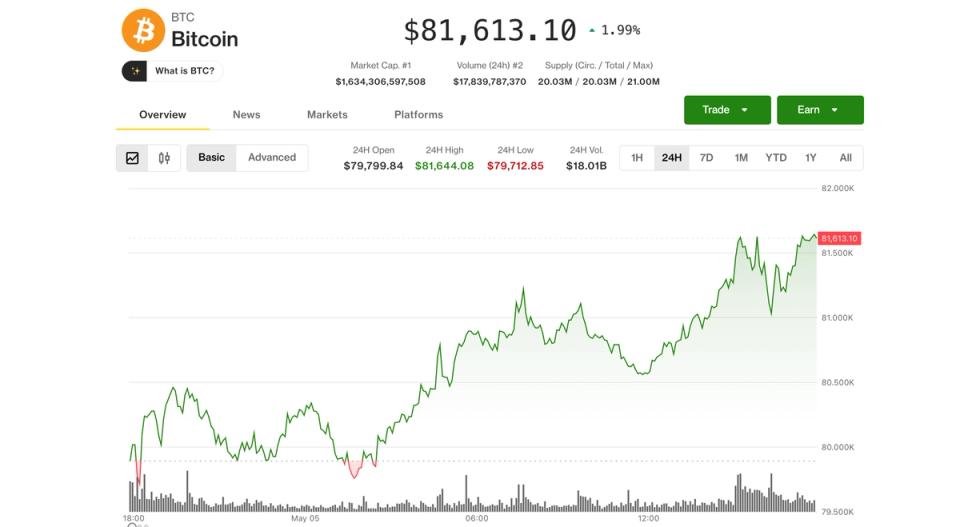
Bitcoin, that ever-volatile digital oracle, has once again dipped below the psychologically significant $80,000 mark. This isn’t just a random price fluctuation; it’s a stark reminder of the perennial tug-of-war between speculative fervor and the cold, hard reality of profit-taking, particularly among short-term holders. The narrative, for some, centers on a fleeting “Trump rally,” a macro-driven surge fueled by easing geopolitical tensions around the Strait of Hormuz that lifted risk assets across the board. But as with many such narratives in the crypto space, the underlying architecture tells a more complex, and perhaps less optimistic, story.
Here’s the thing: the data gleaned from on-chain analytics firms paints a picture of traders, especially those who bought recently, aggressively cashing out at the first sign of a substantial gain. CryptoQuant points to realized profits hitting their highest levels since December, a clear indicator that recent buyers are selling into strength. This behavior, they argue, looks less like a confirmed trend reversal and more like a classic bear-market rally, where even modest gains are enough to tempt participants out before the inevitable downturn. It’s a familiar pattern – the quick profit, the rapid exit.
Bitcoin’s rally has pushed traders back into profit, with holders cashing out at the fastest pace since December, as recent buyers increasingly sell into strength, they wrote.
Enflux, a Singapore-based market maker, ties the initial price push not to intrinsic bitcoin dynamics, but to broader market sentiment shifts. Their take? The rally made sense mechanically because a pause in U.S. naval operations near the Strait of Hormuz lowered oil prices and boosted equities – a classic risk-on move. However, Enflux cautions that markets might be overestimating the durability of this catalyst, citing previous instances where Trump-era diplomatic pauses proved temporary or were misinterpreted by traders. It’s a gamble on geopolitical stability, a shaky foundation for any sustained digital asset bull run.
Then there’s Glassnode, offering a more constructive, albeit cautious, perspective. They argue that bitcoin has recently reclaimed crucial on-chain levels – the True Market Mean at $78,200 and the short-term holder cost basis near $79,100. These are often seen as dividing lines between weaker and stronger market regimes. For Glassnode, this suggests an early structural recovery, not just a fleeting macro bounce. They’ve identified $85,200 as the next significant resistance, and note improving U.S. spot ETF inflows alongside persistent negative perpetual funding rates (indicating some traders are still betting on a downturn) as signs of underlying strength. Still, even Glassnode stops short of calling a definitive breakout.
Is This Just Profit-Taking or a Structural Shift?
The key divergence among these analysts boils down to what drives sustained price appreciation: is it a fleeting macro catalyst and short-term trader behavior, or is it a fundamental shift in market structure supported by institutional flows and long-term holder conviction? The data, at this juncture, leans towards the former being the dominant force, at least for now. Long-term holders, while not aggressively selling yet, are beginning to realize profits. This, coupled with elevated realized losses across the broader market, suggests that bitcoin still needs a more strong surge in spot demand to truly break out of its current malaise and establish a durable upward trend. The caution is palpable, and it’s reflected even in prediction markets, where the odds of a clean move beyond $85,000 this week remain surprisingly low.
My unique insight here? This isn’t just about Bitcoin’s price; it’s a fascinating case study in how narrative, macroeconomics, and on-chain technicals collide. The “Trump rally” framing, while catchy, risks obscuring the deeper, more persistent dynamics of short-term holder capitulation and the still-fragile demand for institutional adoption beyond the hype.
Why Did Bitcoin Break $80,000 Then Slip?
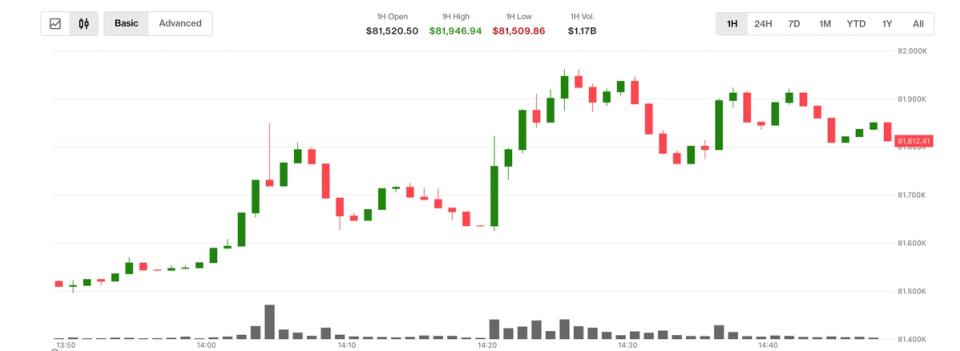
The initial push above $80,000 appears to have been a confluence of factors: a broader risk-on sentiment driven by easing geopolitical tensions (the Hormuz factor) and potentially a squeeze of short sellers. However, as is typical with such rallies, those who had been waiting for an opportunity to exit their positions – particularly short-term holders who had recently entered the market – seized the moment. This wave of profit-taking, amplified by the inherent volatility of cryptocurrency markets, quickly overwhelmed the upward momentum, pushing the price back below the key threshold. It’s the market’s natural correction mechanism kicking in after a rapid ascent, driven by participants looking to lock in gains rather than bet on further immediate upside.
The Role of Institutional Investors
While the narrative around institutional inflows into spot Bitcoin ETFs has been a recurring positive theme, the actual impact on sustained price action remains a subject of debate. Glassnode’s mention of improving ETF inflows is encouraging, but it’s not yet translating into the kind of overwhelming demand that would decisively break through significant resistance levels. Furthermore, the broader context of institutional behavior in crypto is still one of cautious optimism mixed with significant reservations. Panelists at Consensus Miami highlighted persistent concerns about security risks and Know Your Customer (KYC) friction on decentralized exchanges (DEXs) as major barriers to institutional adoption, even for the more sophisticated players. This indicates that while the big money is certainly watching and participating in Bitcoin’s price action, its full, unreserved commitment to a sustained bull run might still be some way off, especially when compared to traditional asset classes.
This isn’t the rocket ship launch many hoped for. It’s a hesitant climb, marked by the anxieties of those ready to jump ship at the first sign of trouble. The architecture of this market still prioritizes quick gains over long-term conviction, a pattern that continues to define Bitcoin’s volatile journey.