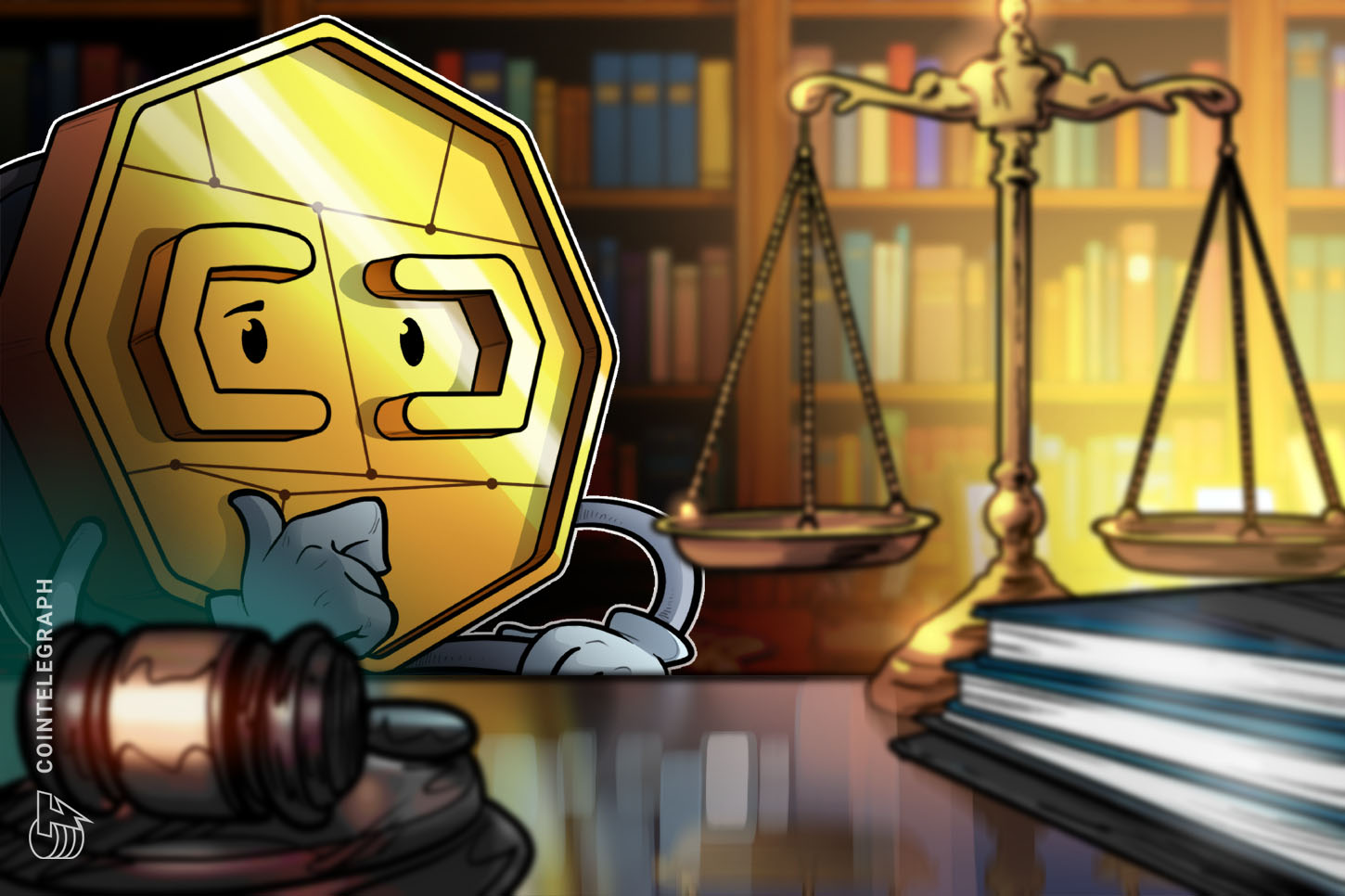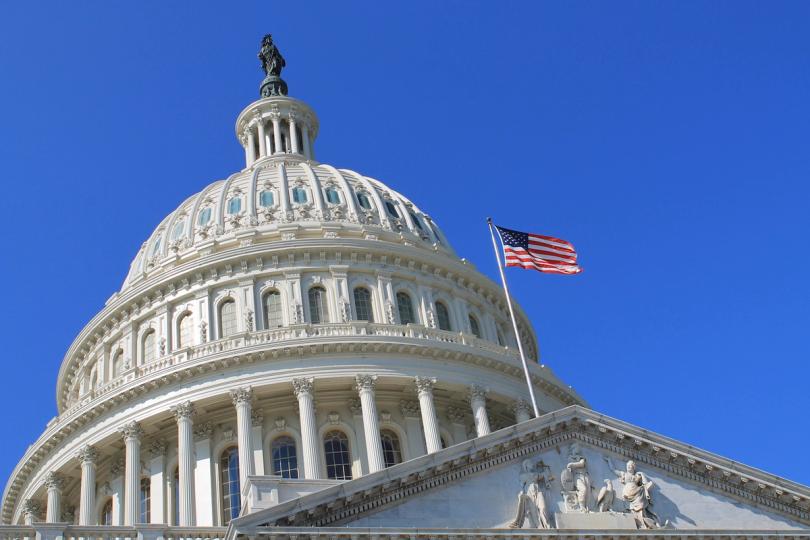
Did you ever stop to think about what happens when the digital whispers of cryptocurrency suddenly gain the thunderous roar of official legislation? This week, we found out.
For what feels like an eternity, the conversation around digital asset regulation has been a speculative exercise, a “what if.” We’ve debated abstract principles, imagined potential frameworks, and watched the industry often operate in a regulatory twilight zone. But that era? It just slammed shut. The U.S. Senate Banking Committee’s vote on Thursday to advance the Clarity Act has catapulted crypto regulation from the theoretical ether directly onto the bustling, and sometimes brutal, market floor.
This isn’t just a procedural win for some; it’s the moment the theoretical became a tangible force, capable of shaping investments, influencing innovation, and, yes, potentially tripping up those who haven’t been paying attention. Think of it like this: for years, we’ve been talking about building a dam to control a powerful river. This vote means the concrete is being poured, and the gates are about to start opening and closing with real consequences.
The post-FTX landscape, a stark reminder of the fragility and potential for malfeasance in the digital asset space, clearly lit a fire under lawmakers. The demands for federal oversight weren’t just background noise anymore; they became a deafening call to action. And the Clarity Act, in its current form, seems designed to answer that call with a resounding “yes.”
From Theory to a Force of Nature
We’ve seen this play out before in financial history. New technologies emerge, they grow at a breakneck pace, and then, inevitably, the established powers – governments and regulators – step in to draw lines. Sometimes it’s a gentle nudge, other times it’s a full-blown tidal wave. Based on the momentum here, this feels less like a nudge and more like the tide turning.
The implications are colossal. For builders in the crypto space, it means an intensified need for clarity. Ambiguity has been a comfortable — if risky — blanket for many. Now, that blanket is being pulled away, exposing the need for compliance and adherence to established rules. For investors, it’s about understanding a new risk calculus. Regulatory certainty, even if it imposes stricter controls, can be a boon for institutional adoption and can weed out some of the more speculative, less substantiated projects. It’s like finally getting the blueprints for a skyscraper before you invest in its construction.
The U.S. Senate Banking Committee’s vote Thursday (May 14) to advance the Clarity Act marked one of the most consequential regulatory developments for digital assets since the collapse of FTX reignited demands for federal oversight.
This sentence from the original report isn’t just reporting a fact; it’s shouting a timestamp. It’s the marker of a distinct era ending and another, more regulated, one beginning. We’re moving beyond the wild west narrative, not because the wild west is over, but because the sheriff has finally arrived, and he’s brought a very large rulebook.
What Does This Mean for the Market?
When regulation moves from abstract discussion to concrete legislative action, the market feels it. This isn’t just about how companies operate; it’s about capital flows, investor sentiment, and the very trajectory of innovation. Expect to see a bifurcation: projects that can adapt and thrive within a more regulated framework will likely see renewed interest, while those clinging to the shadows of ambiguity might struggle to survive. This is the natural selection of regulated innovation.
And let’s be clear, this isn’t just a U.S. story, though the U.S. often sets the global tone. What happens in Washington reverberates. Other jurisdictions will be watching, adapting, and likely implementing their own versions of regulatory oversight. The global digital asset ecosystem is inherently interconnected, and a major regulatory shift in one of its largest markets acts as a powerful domino. The clarity the Act aims to provide, even if it’s initially met with groans from some corners, is ultimately what sophisticated investors and institutions crave. It reduces a significant unknown from the equation.
This regulatory maturation isn’t the end of crypto; it’s arguably the beginning of its next, more powerful chapter. A chapter where innovation is still king, but it’s an innovation built on a firmer, more predictable foundation.