A weary analyst stares at a screen, the glow reflecting in their eyes as another AI-generated report lands with a thud. It’s the same old story, isn’t it?
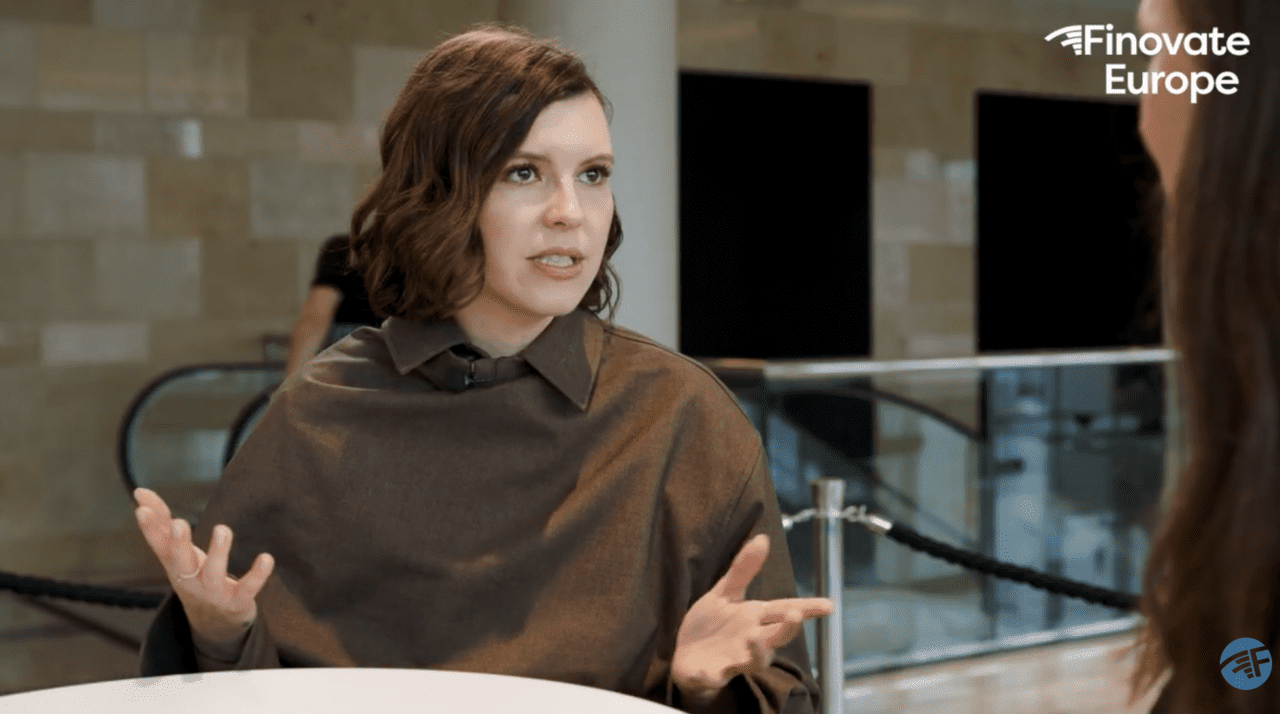
Corporations eyeing headcount reduction. Everyone else bracing for obsolescence. This narrative, plastered across every tech rag and LinkedIn feed, is getting tired. Thankfully, some folks are pushing back. Georgia Lewis Anderson, a name you might not know but should, is one of them. She’s not peddling doom-and-gloom. Instead, she’s talking about AI as a tool—a damn good tool, at that.
Anderson, a seasoned AI hand who’s fiddled with Cortana at Microsoft and helped Google Assistant blossom in the UK, and even lent a hand to Meta’s Llama 3, likens the current AI explosion to air travel. If airplanes evolved as fast as LLMs have, she dryly notes, we’d be in New York from London in 15 seconds. That’s a dizzying pace, and feeling overwhelmed? Understandable. She’s quick to admit that even she, a professional immersed in this since 2016, is still catching up. So, the fear is real. But Anderson’s message is clear: stop panicking about replacement. Start thinking about different.
The Cognitive Prosthetic Play
This isn’t just feel-good PR. The concept of AI as a “cognitive prosthetic” is more than a catchy phrase. It’s a fundamental reframing. Think of it like an advanced calculator for your thoughts, or a super-powered research assistant that never sleeps. It’s about extending our reach, not severing our limbs.
Anderson’s firm, Lantyn, launched in 2025, aims to explain this. They offer “AI cheat sheets” and podcasts where they actually build AI tools. It’s a refreshingly hands-on, human-centric approach in a field that often feels like it’s speaking in algorithms. Their whole shtick is making AI relatable, accessible, regardless of your technical chops. Smart move. Because when you strip away the jargon, the real promise isn’t about machines thinking for us, but about them thinking with us.
Here’s the kicker: this isn’t entirely new territory. We’ve always built tools to enhance ourselves. The printing press didn’t make us less literate; it made us more able to disseminate knowledge. The internet didn’t end debate; it amplified it—for better and worse. AI, in this view, is just the next, albeit incredibly potent, iteration.
“Our skills are going to be used differently. I think we’re all quite worried AI is going to replace us, but I think actually it’s about using our skills in a different way.”
This idea that our skills will be used differently, not rendered useless, is the core of Anderson’s argument. It’s a subtle but critical distinction. It demands adaptation, sure. It requires us to learn new ways of interacting, new ways of prompting, new ways of validating. But it doesn’t necessitate a wholesale human decommissioning.
Is AI Going to Steal My Job?
Look, let’s be blunt. Some jobs will change. Some will disappear. That’s been the story of every major technological shift. The blacksmith didn’t become obsolete because he hated horses; he became obsolete because the automobile arrived. But out of that shift came engineers, mechanics, designers, and a whole ecosystem of related professions. AI will likely do the same. The tasks that are repetitive, predictable, and data-heavy? Those are ripe for automation. But the tasks requiring nuanced judgment, empathy, strategic foresight, and genuine innovation? Those remain firmly in human territory. The trick is to figure out how to use AI to amplify those human strengths. This is where prompt engineering, critical evaluation of AI output, and creative problem-solving become paramount.
Anderson’s work, particularly her background in crafting personalities for AI assistants, highlights a key area where human touch is irreplaceable: understanding context, nuance, and the subtle art of communication. AI can generate text, but can it truly understand the emotional weight of a customer complaint or the subtle humor in a brand message? Not yet. And perhaps not ever, if we consider what it means to be truly creative and empathetic.
This cognitive prosthetic concept challenges the simplistic “AI vs. Human” dichotomy. It suggests a symbiosis, a future where human ingenuity is not diminished but amplified by intelligent tools. It’s a far more optimistic, and arguably more realistic, outlook than the doomsday scenarios often peddled. The onus is on us, the humans, to learn to wield these new tools effectively, to ensure they serve to expand our capabilities rather than diminish them. The future of creativity isn’t just about the AI itself, but about how we, as humans, choose to integrate it into our cognitive toolkit.
Why Does Lantyn Matter for Creatives?
Lantyn’s mission is to make AI accessible. For creatives, this means explain the tools that could become essential for their workflow. Imagine a graphic designer using AI to rapidly prototype dozens of visual concepts, or a writer using AI to brainstorm plot points and refine dialogue. The speed at which Anderson says AI is evolving means these capabilities aren’t a distant dream; they’re rapidly becoming reality. Companies like Lantyn are crucial bridges, helping individuals and businesses understand how to use AI effectively. It’s not just about the tech; it’s about the pedagogy. Teaching people to think with AI, to use it as a partner in the creative process, is a skill in itself.
This is where the human element truly shines. While AI can generate endless variations, it’s the human eye that discerns the compelling from the mundane. It’s the human experience that imbues a piece of work with genuine emotion and meaning. AI can be a powerful amplifier, but it needs a discerning director. Anderson’s insights suggest that this director role—the human in charge—is becoming more valuable, not less. We’re moving towards a future where the ability to ask the right questions, to curate the best outputs, and to weave disparate AI-generated elements into a cohesive, meaningful whole, will be the hallmark of true creativity. It’s about augmenting our innate human abilities with sophisticated technological partners, transforming how we innovate, create, and ultimately, think.