So, everyone was expecting Charles Schwab, bless their steady, conservative hearts, to eventually dip their toes into the murky waters of actual, you know, spot crypto trading. We’ve had the ETFs, the weird equity plays, the whole nine yards of indirect exposure that lets the suits sleep at night. But this week? This is different. They’ve actually opened up accounts, Schwab Crypto, for a chunk of their US users to trade Bitcoin and Ethereum directly.
It’s a phase rollout, naturally. Nobody wants to spook the old money crowd by suddenly offering them direct access to the digital wild west. But the intention is clear: Bitcoin and Ether, right there alongside your mutual funds and whatever else is gathering dust in your portfolio. This is a significant shift from the indirect routes they’d previously navigated, a clear signal that the sheer gravity of this market — and the money within it — is starting to pull even the most stoic institutions in.
The “Why Now?” Question
Look, this didn’t happen in a vacuum. Schwab’s CEO, Rick Wurster, has been hinting at this for ages. Last year, he was whispering about getting into stablecoins (which, let’s be honest, sounds like trying to make spreadsheets exciting). Then, just recently, he trotted out the idea of offering prediction markets – likely of the highly regulated, financially-focused variety, because nobody wants to bet on who wins the next season of ‘The Great British Bake Off’ through their brokerage account, apparently.
The timing here is… interesting. It lands a little over a year after Donald Trump’s return to office, a period that’s seen a noticeable, albeit inconsistent, shift towards more crypto-friendly policies. Schwab’s own previous pronouncements always circled back to needing “improved regulatory clarity” before jumping into spot trading. So, the official launch now suggests either that clarity has magically appeared, or they’ve decided the potential upside outweighs the lingering regulatory fog. My money’s on the latter. It’s always about the money, isn’t it?
Who’s Actually Making Money Here?
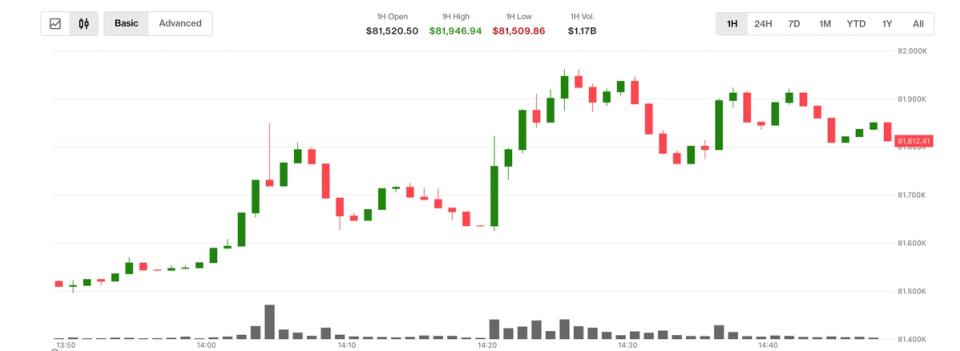
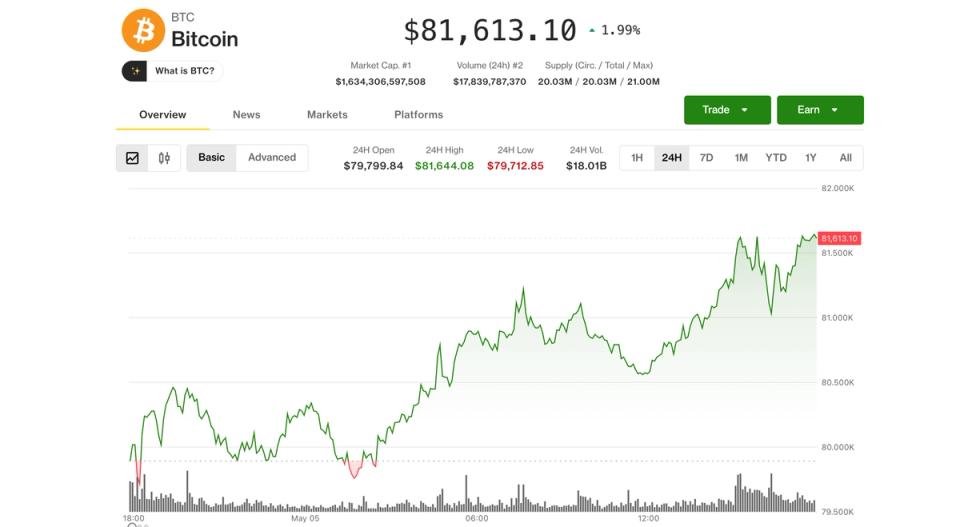
Let’s cut through the PR fluff. Schwab’s stock (SCHW) is up a measly 1% on the news. Not exactly a rocket ship launch, but hey, it’s not down. Bitcoin and Ethereum, meanwhile, are both down a bit on the day. Classic. The market reacts to news in mysterious ways.
But the real question is who benefits long-term. For Schwab, it’s about capturing more of their existing customer base and preventing them from going to crypto-native exchanges or other platforms that already offer this. It’s about staying relevant, keeping those assets under their roof. And, of course, there are the fees. Trading fees. Transaction fees. Custody fees. You name it, they’ll find a way to charge for it. This isn’t just about offering a service; it’s about finding new revenue streams in an increasingly competitive financial landscape.
Think about it: they’ve spent years building trust with a certain demographic. Now they can use that trust to sell them directly into an asset class that many of those same people are either curious about or already invested in elsewhere. It’s a brilliant, if cynical, move. Capture the eyeballs, capture the wallets.
The Prediction Market Pivot: A Sign of Things to Come?
Beyond just BTC and ETH, the mention of stablecoins and prediction markets by Wurster is telling. It suggests Schwab isn’t just looking to offer a couple of cryptocurrencies and call it a day. They’re eyeing the broader ecosystem. Stablecoins could become a foundational piece for their clients wanting to move money in and out of crypto more easily. Prediction markets, even if niche and financially focused, represent a new frontier in financial products that could attract a different kind of investor.
“At some point, we will likely have prediction markets.”
This isn’t just about Bitcoin. It’s about a potential evolution of what a retail brokerage account can offer. It’s about adapting to a world where financial innovation isn’t just happening in mahogany-paneled boardrooms, but on decentralized ledgers and in novel market structures. The question is whether they can adapt quickly enough without alienating their core customer base or getting tangled in the regulatory red tape they claim to be waiting for.
For now, it’s a win for those who want a more traditional, albeit slightly more volatile, way to get their crypto fix. But it’s also a reminder that the big players are always watching, always calculating, and always looking for the next angle to make a buck. Don’t mistake this for pure altruism. It’s business. The good ol’ American way.
🧬 Related Insights
- Read more: SoFi’s Institutional Crypto Play: The Banking-Blockchain Merger Is Happening Now
- Read more: Coinbase Gets Conditional OCC Charter—But Don’t Mistake Approval for Victory
Frequently Asked Questions
What does Schwab Crypto actually do? Schwab Crypto allows eligible retail clients to directly trade spot Bitcoin and Ethereum alongside their other investments, moving beyond previous indirect exposure methods like ETFs.
Will this make Bitcoin and Ethereum go up? While Schwab’s entry is a significant development for crypto adoption within traditional finance, its immediate impact on the price of Bitcoin and Ethereum is uncertain and influenced by many market factors.
Can I trade other cryptocurrencies on Schwab? Currently, Schwab Crypto is offering trading for Bitcoin and Ethereum. Future offerings may expand to include other assets or financial products like stablecoins and prediction markets.